The Isle of Man's wildlife faces real pressures — from climate change and habitat loss to invasive species. But the island is also a conservation success story, with strong legal protections and active citizen science.
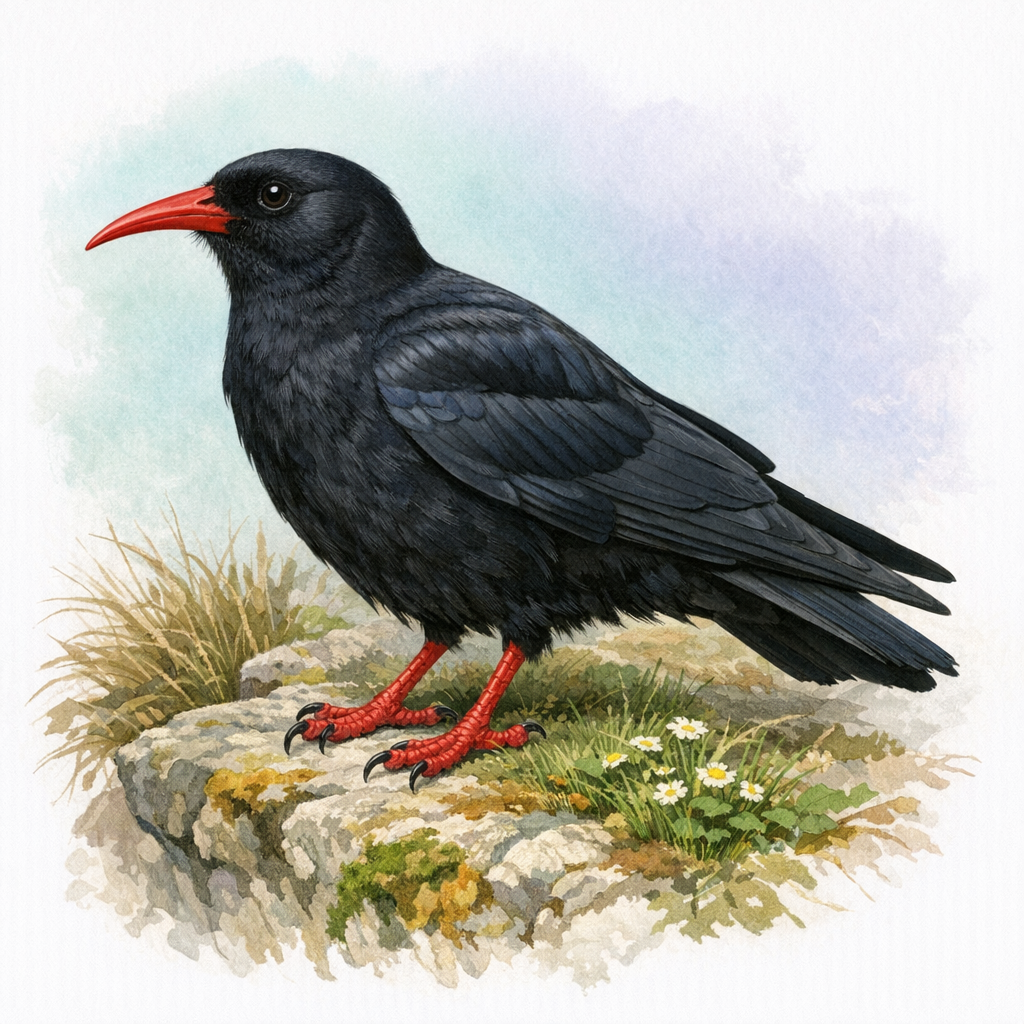 View Chough
Pyrrhocorax pyrrhocorax
The Isle of Man's national bird and one of its last UK strongholds. Feeds on invertebrates in cliff-top grassland. Vulnerable to agricultural intensification reducing foraging habitat.
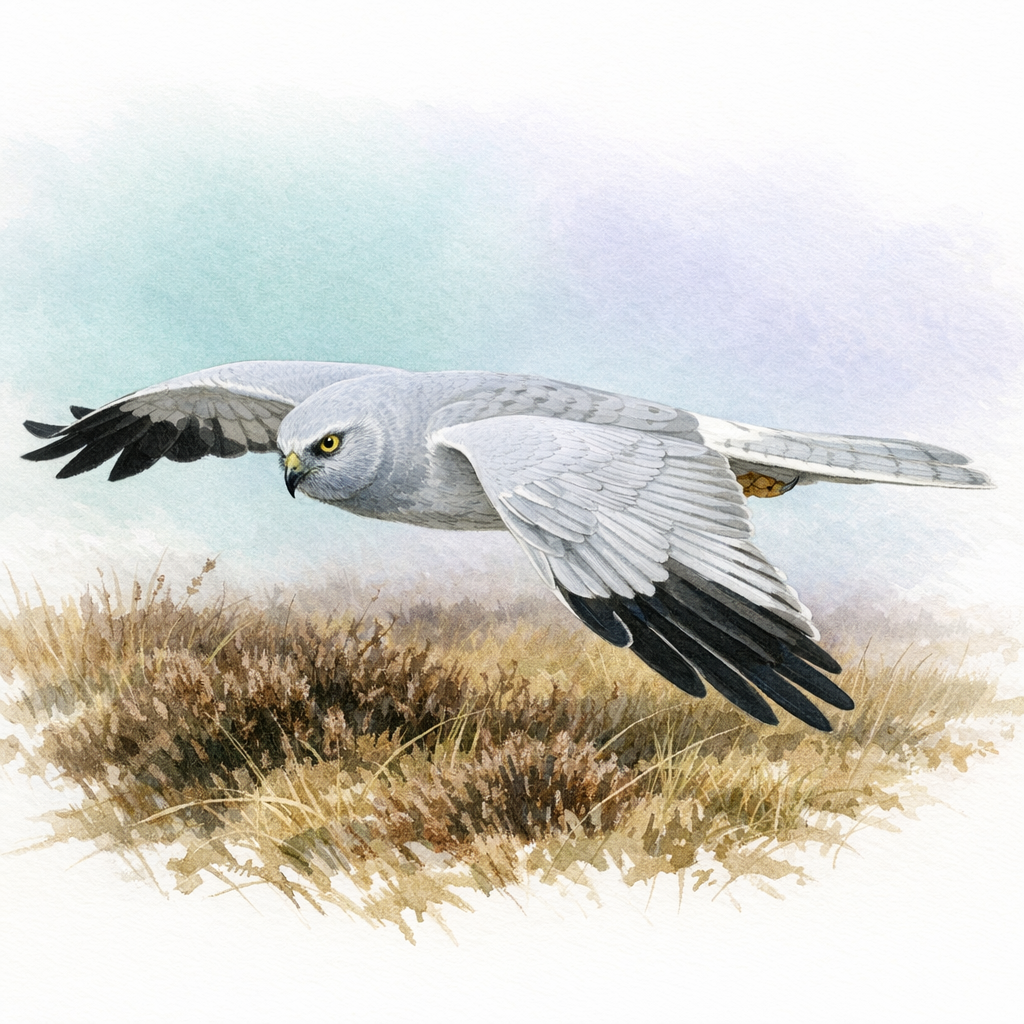 View Hen Harrier
Circus cyaneus
Heavily persecuted on the UK mainland (particularly on driven grouse moors). The Isle of Man is an important refuge with a stable breeding population on upland heather moorland.
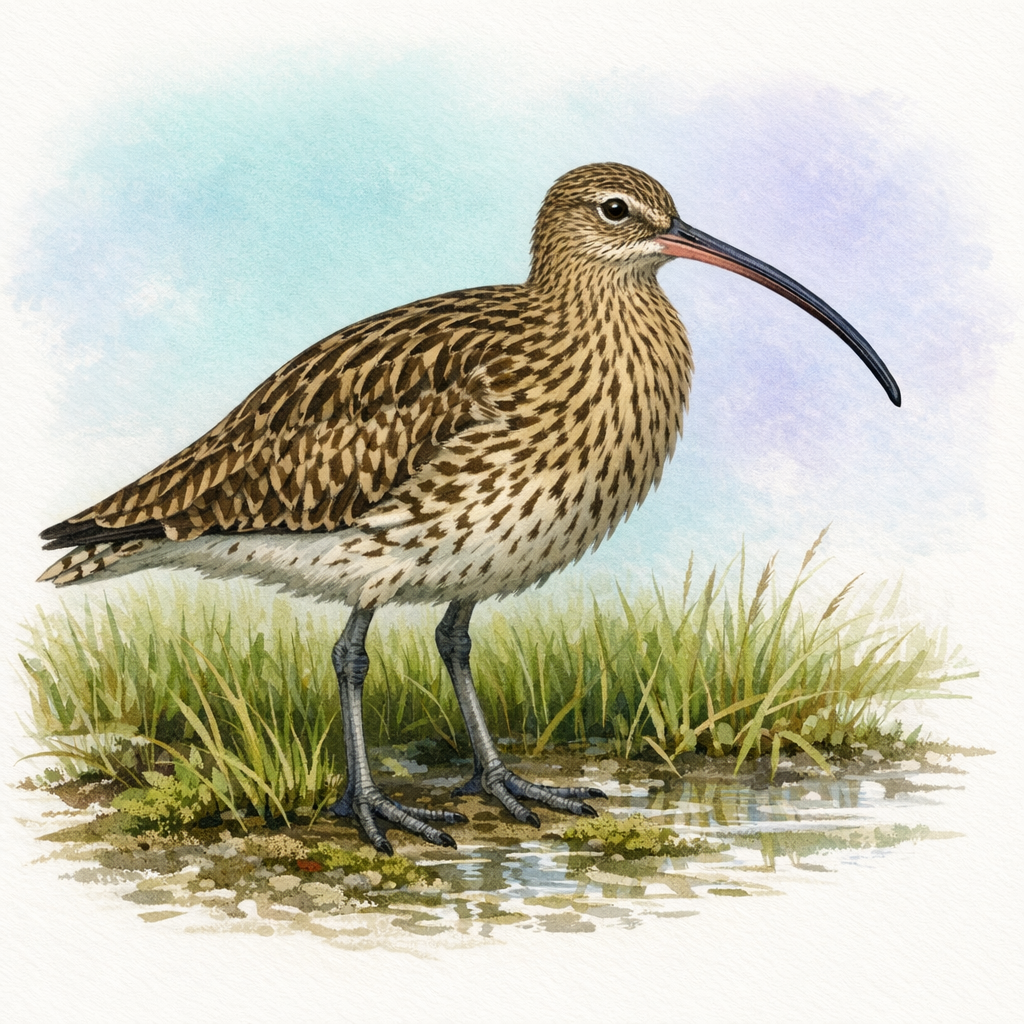 View Curlew
Numenius arquata
The IoM population is declining in line with catastrophic UK-wide losses. Breeds on upland wet grassland and moorland edges. Nest predation and agricultural change are key threats.
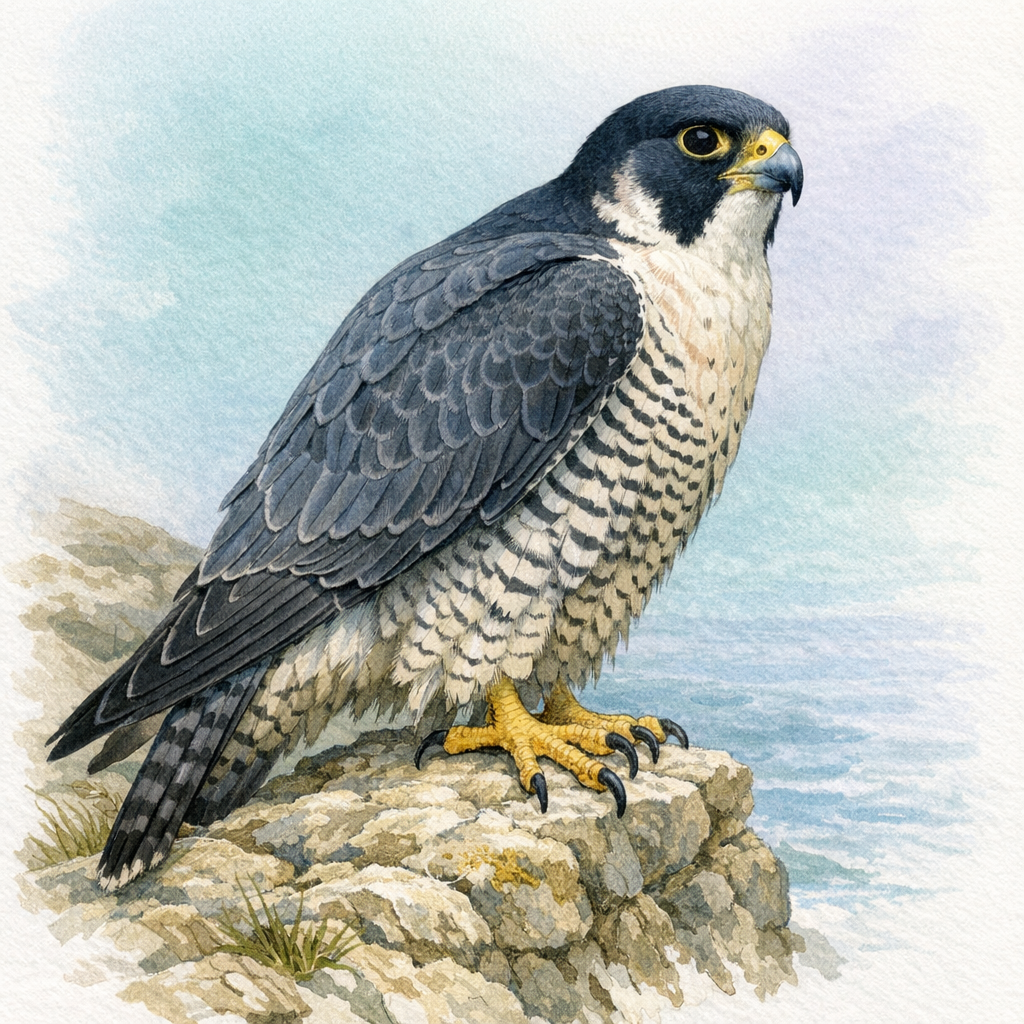 View Peregrine Falcon
Falco peregrinus
The world's fastest animal breeds on IoM sea cliffs. Recovered well from the DDT crash of the 1960s. The island's coastal cliffs provide excellent, undisturbed nest sites.
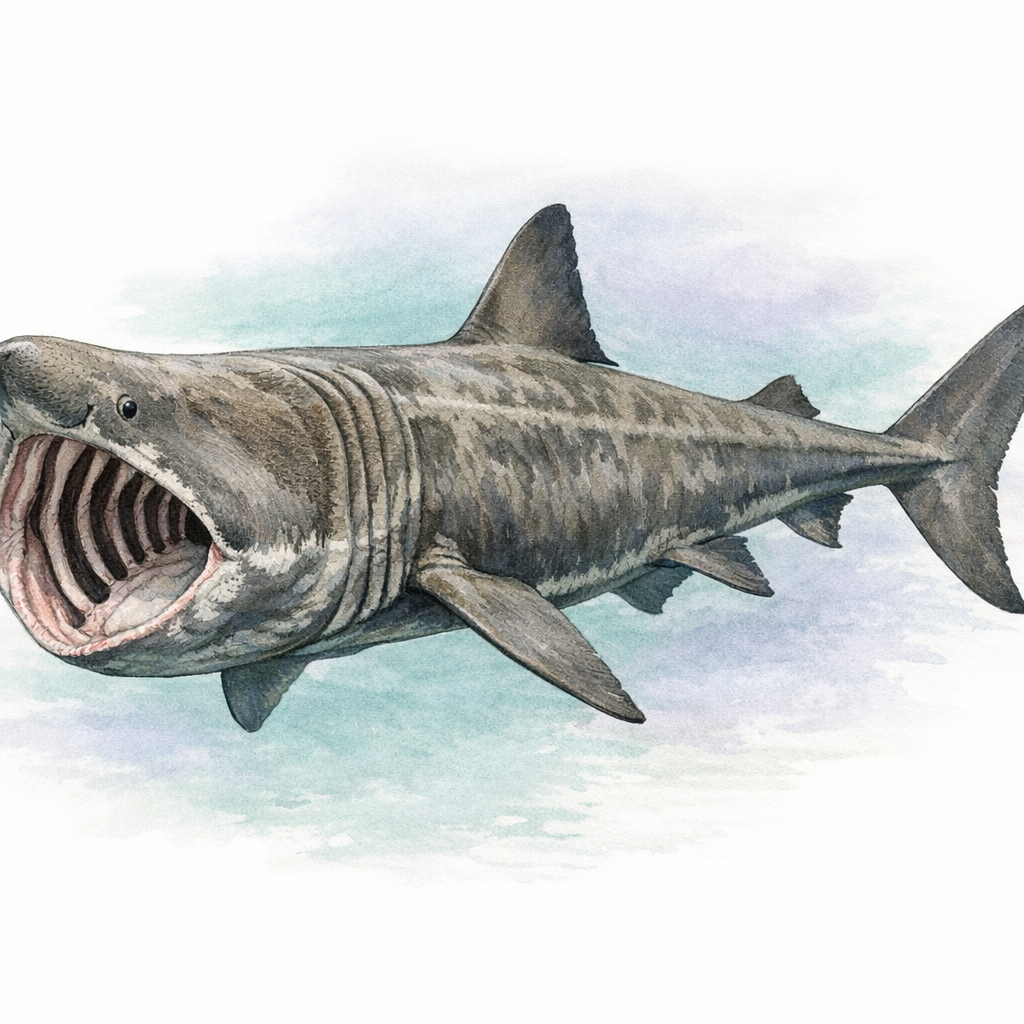 View Basking Shark
Cetorhinus maximus
Protected under Manx law since 1990 — the Isle of Man was a pioneer in Basking Shark conservation. The island's waters are a globally important aggregation site for this filter-feeding giant.
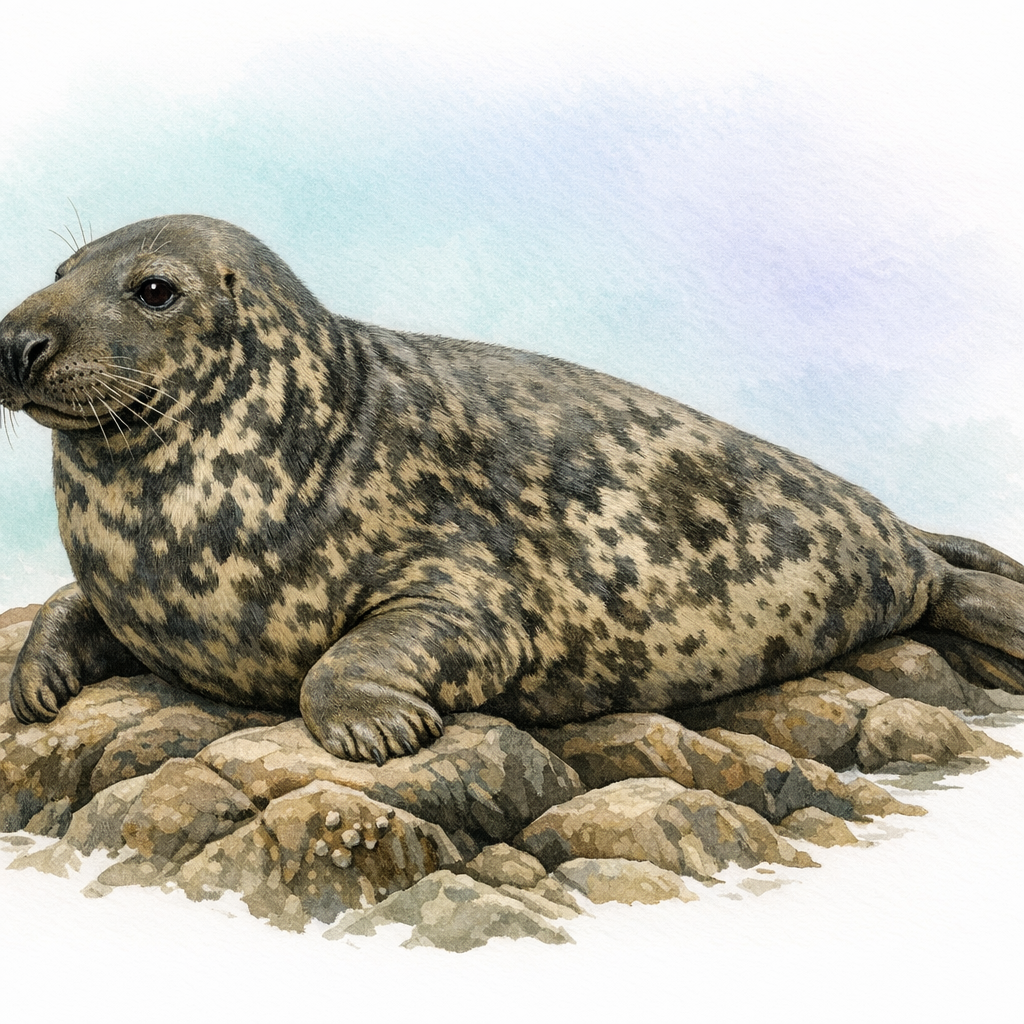 View Harbour Seal
Phoca vitulina
A small but important colony at the Calf of Man. Smaller than Grey Seals, with a rounder face and V-shaped nostrils. Vulnerable to disturbance at haul-out sites.
Rising sea temperatures are altering marine species distributions. Earlier springs disrupt the synchrony between breeding birds and their insect prey. Increased storm frequency threatens coastal nesting sites.
Agricultural intensification reduces wildflower meadows and wet grassland. Development pressure on coastal and lowland sites. Loss of hedgerows and field margins removes wildlife corridors.
Himalayan Balsam is spreading along Manx rivers and glens, outcompeting native plants. The New Zealand Flatworm threatens native earthworm populations, with knock-on effects for soil health and species that feed on them.
Plastic pollution affects seabirds, seals, and marine invertebrates. The busy Irish Sea shipping lanes bring oil spill risk. Microplastics have been detected in Manx waters and beach sediments.
The entire island and surrounding seas recognised as a Biosphere Reserve, committing to balancing conservation with sustainable development.
Managing key habitats including Ballaugh Curraghs wetlands, Close Sartfield hay meadows, and Dalby Mountain moorland.
Financial support for farmers who manage land for wildlife — maintaining hedgerows, wet grassland, and species-rich meadows.
Citizen science programme recording Basking Shark sightings around the island. Data contributes to conservation management and international research.
Long-term population monitoring of breeding birds, winter surveys, and seabird colony counts across the island and Calf of Man.
31 marine protected zones safeguarding habitats from kelp forests to seagrass beds, with fisheries management measures.
Every record matters. Log wildlife observations on NBN Atlas IoM or the iRecord app to contribute to conservation science.
The Manx Wildlife Trust and Beach Buddies organise regular beach cleans around the island. Every piece of plastic removed helps marine life.
Join Manx BirdLife to support bird monitoring, habitat management, and conservation advocacy on the Isle of Man.
Found an injured bird, seal, or other wild animal? Contact the Manx SPCA or DEFA wildlife team for advice.
Information sources: DEFA · Manx BirdLife · Manx Wildlife Trust · UNESCO Biosphere IoM