The Isle of Man was designated a UNESCO Biosphere Reserve in 2016 — the entire island, its surrounding seas, and the Calf of Man. This observatory brings together 1,836,469 species records, marine data, environmental sensors, and AI-powered analysis.
Built on open data curated over decades by Manx National Heritage, NBN Atlas, GBIF, Manx Wildlife Trust, Manx BirdLife, and partners.
Search and filter 1.7M records by species, group, family, or location. Every species has seasonal patterns, trend data, and distribution.
864k bird sightings from the Calf of Man Bird Observatory, BTO surveys, and citizen scientists. Migration patterns and breeding records.
Basking Sharks, Grey Seals, Harbour Porpoise, and 31 Marine Protected Areas. The IoM's rich Irish Sea waters are a biodiversity hotspot.
What to spot this month — month-by-month guide to IoM wildlife, from winter thrushes to Basking Sharks to Starling murmurations.
1,947 hex grid cells classified by biome, health score, species diversity, and elevation. Interactive overlay panel with species detail.
Year-over-year recording trends, seasonal patterns, and conservation status tracking. Which species are increasing? Which are declining?
Protected species under the Wildlife Act 1990, Ramsar sites, Areas of Special Scientific Interest, and conservation priorities.
Live data from the MTG IoT network — rainfall, solar radiation, and environmental monitoring across the island.
The Isle of Man was designated a UNESCO Biosphere Reserve in March 2016 under the Man and Biosphere (MAB) Programme. The designation covers the entire island — 572 km² of land and over 4,000 km² of surrounding Irish Sea.
It's one of only a handful of jurisdictions where the entire territory holds Biosphere status, recognising the island's commitment to balancing conservation with sustainable development.
The reserve is managed by UNESCO IoM in partnership with DEFA (Department of Environment, Food and Agriculture). Key habitats include coastal heath, marine environments, upland moorland, native woodland, and agricultural grassland.
This observatory aggregates data from the NBN Atlas, GBIF, EMODnet, and the MTG IoT network to provide a comprehensive digital view of the island's biodiversity.
August 2026 biodiversity analysis — click to expand
August on the Isle of Man is a peak activity month across coasts, gardens, farmland, and the marine environment. In a mild maritime climate at 54.2°N, summer is still in full swing, but the island is already beginning to edge toward late-summer transition. The biodiversity picture right now is likely dominated by breeding birds still feeding young, post-breeding dispersal, flowering coastal and grassland plants, and strong marine activity in sheltered and productive waters.
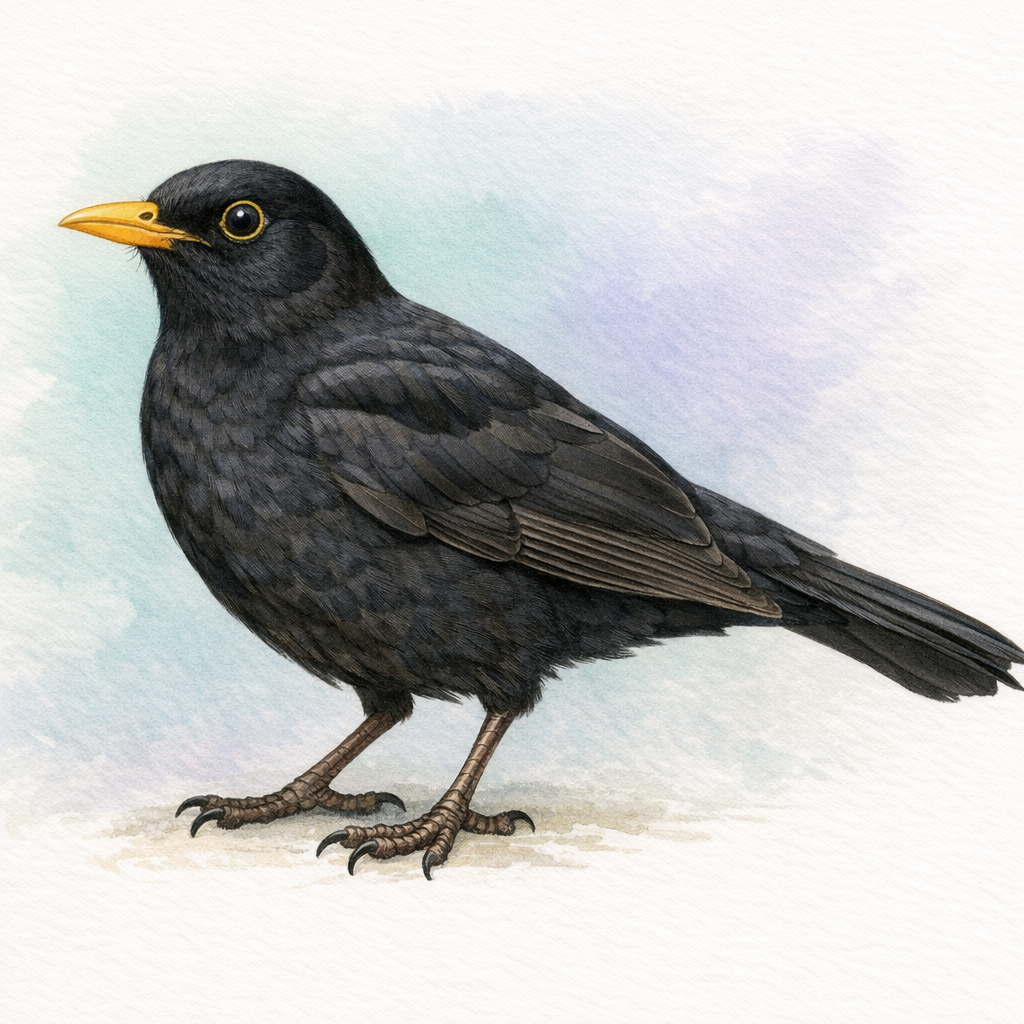
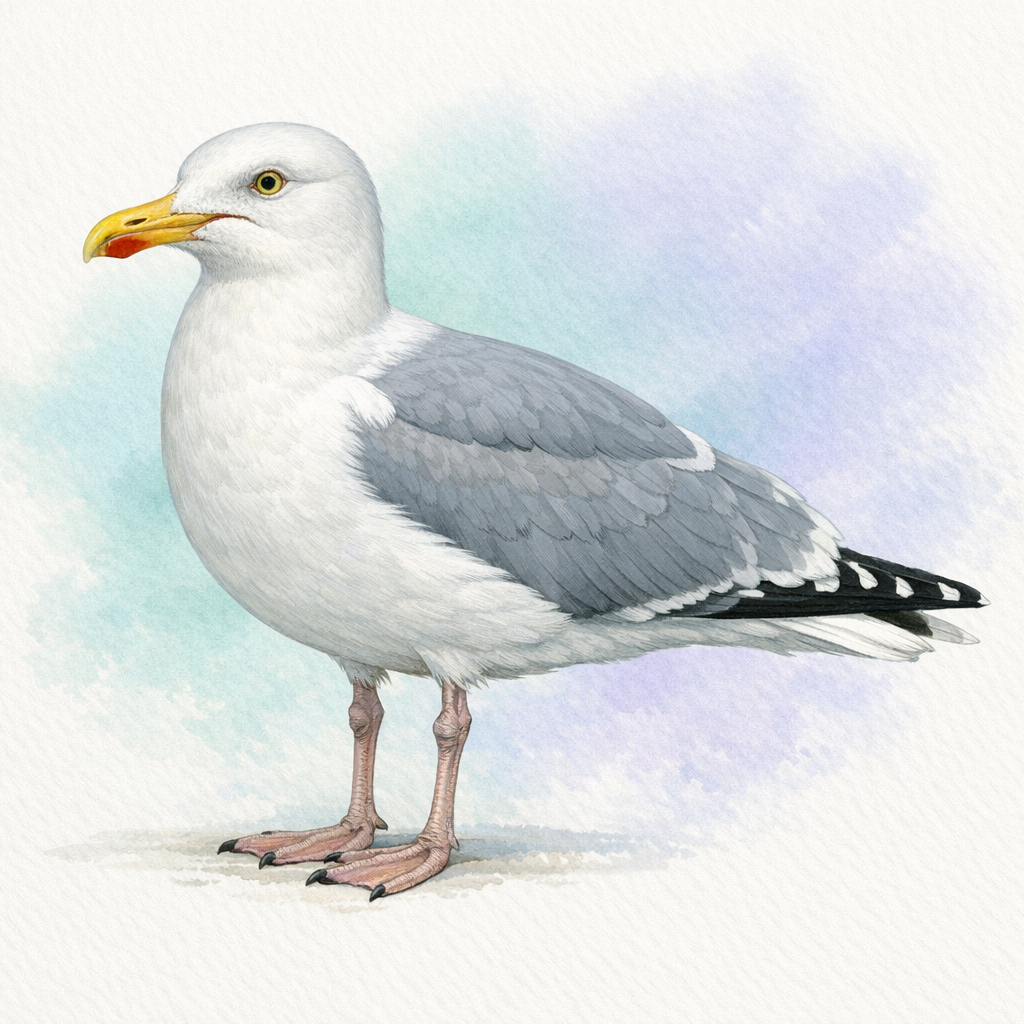
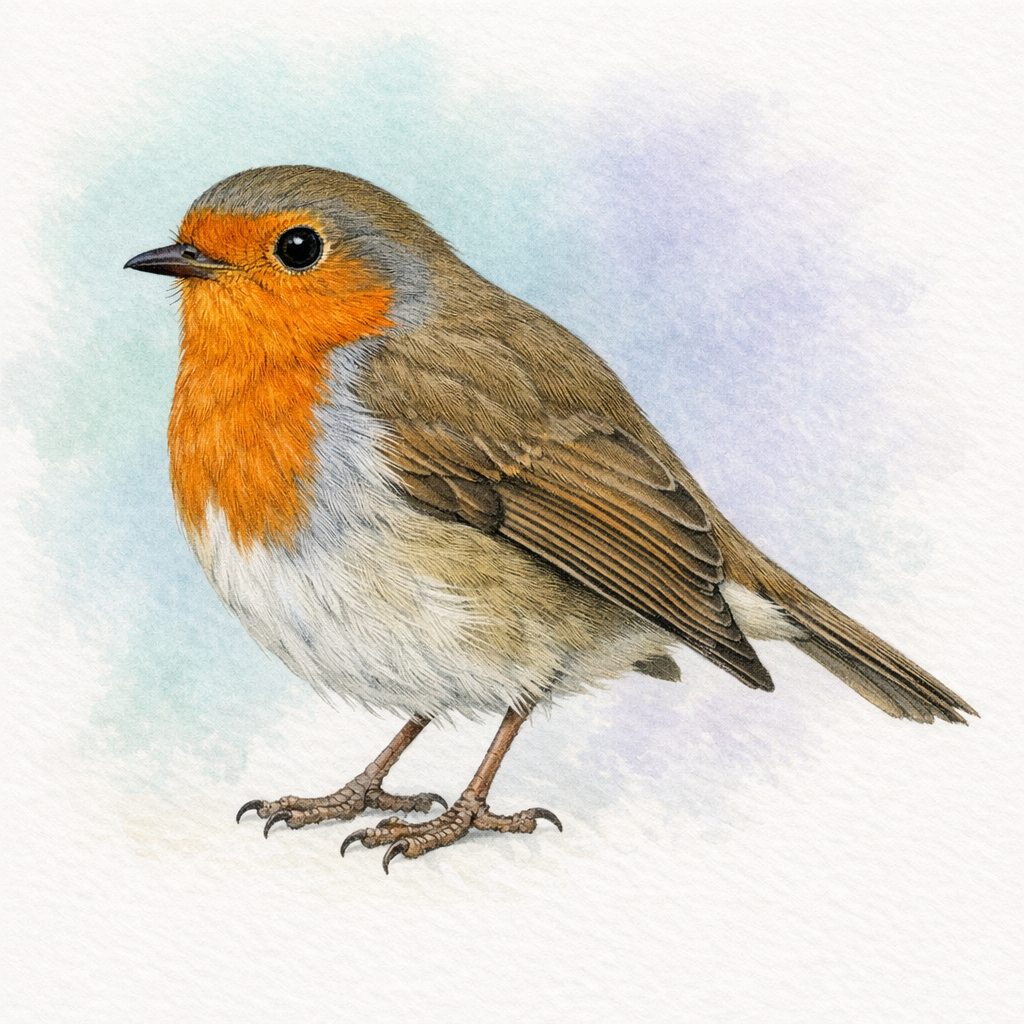
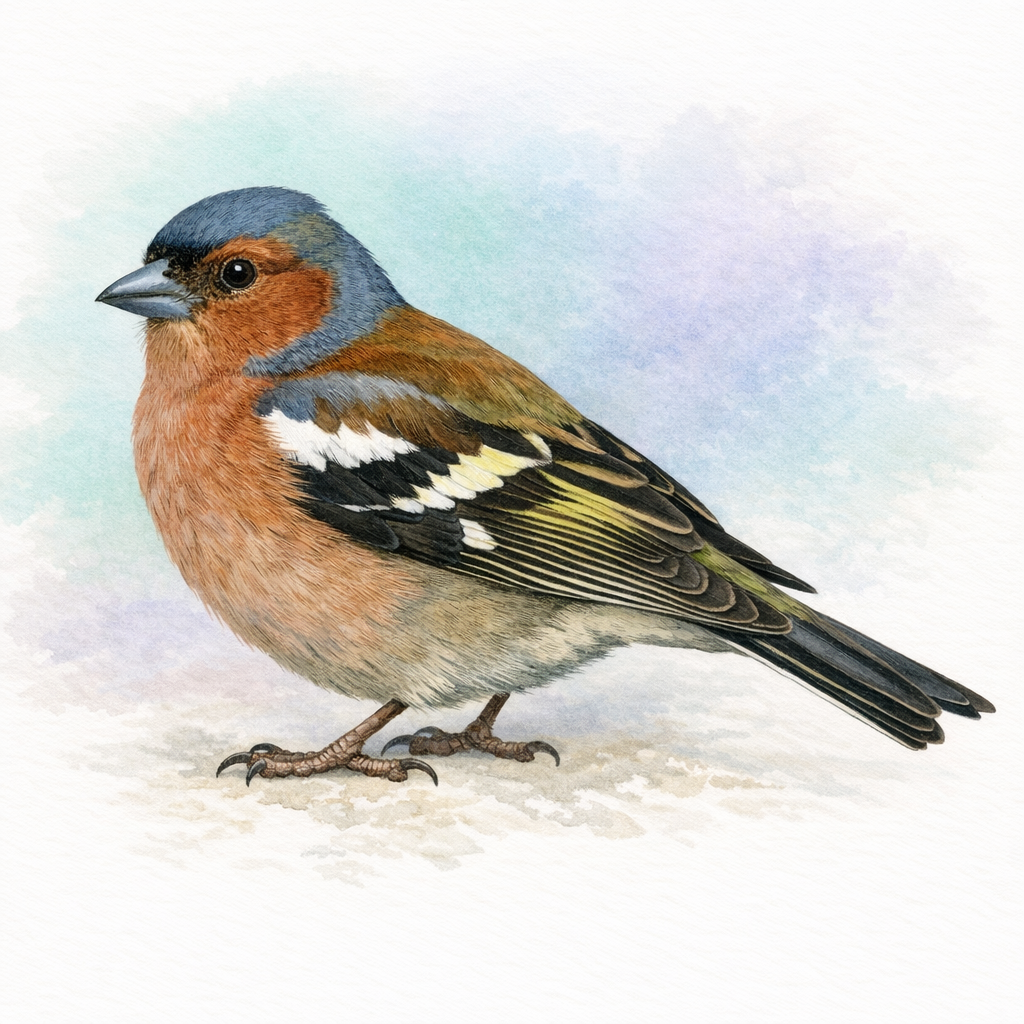
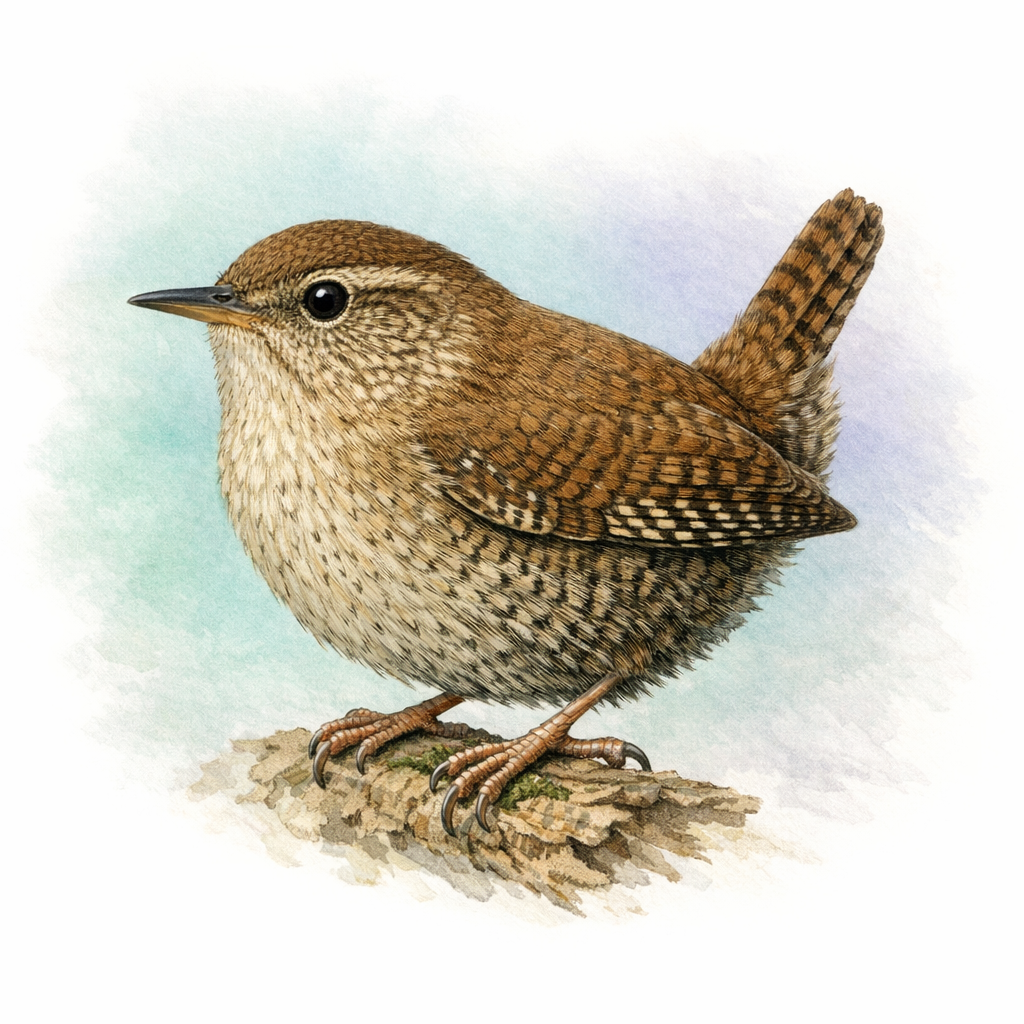
The species record base is exceptionally strong, with 1,836,469 records across 26 tracked groups. Birds dominate the dataset, which is not surprising for an island biosphere with a long history of bird observatories and citizen recording. The most recorded species are familiar, widespread, and ecologically important: Blackbird, Herring Gull, Robin, Chaffinch, Wren, Meadow Pipit, Oystercatcher, and Chough. This suggests the observatory is capturing both garden and farmland species as well as key coastal and upland indicators.
Seasonally, August is a turning point. Many breeding birds are becoming more mobile after the nesting period, juveniles are dispersing, and early migrants begin to appear. On the coast, waders and seabirds are likely to be highly visible, while in the uplands and cliffs the Chough remains a flagship species of the island’s coastal grassland and cliff systems. In the marine realm, warm summer conditions typically support high visibility of fish, plankton-linked feeding activity, and continued use of seagrass beds, maerl, and horse mussel reefs by a range of species.
Although the weather feed is unavailable, August weather on the Isle of Man is usually variable and maritime: mild temperatures, occasional rain, bright intervals, and windy spells. That pattern tends to favour rapid plant growth after rainfall, insect bursts after warm calm periods, and strong foraging opportunities for birds and bats. Any recent wet and windy episodes would also be expected to push more seabirds and coastal birds into sheltered bays and harbours.
1. Chough (Pyrrhocorax pyrrhocorax)
The Chough is the Isle of Man’s national bird and one of the clearest symbols of the island’s biodiversity identity. It depends on a mosaic of short coastal grassland, cliff edges, and nearby invertebrate-rich feeding areas. Its strong presence in the records reflects both ecological importance and public interest. Choughs are sensitive to changes in grazing, disturbance, and the quality of coastal swards, so they are a valuable indicator of healthy coastal management.
In August, Choughs are often highly visible as family groups move around feeding territories. This is a good time to watch for post-breeding movements, especially along cliff tops and grazed headlands. Their continued prominence in the dataset suggests that recording effort and conservation attention remain strong, which is encouraging for a species closely tied to the island’s sense of place.
2. Meadow Pipit (Anthus pratensis)
Meadow Pipit is one of the most important birds for understanding the condition of upland moorland, rough grassland, and coastal slopes. It is a key prey species for raptors and an indicator of open habitats with suitable nesting cover and invertebrate availability. With 18,972 records, it is among the most frequently recorded species, showing how widespread and well-observed it is across the island.
August is a transitional month for Meadow Pipits. Breeding activity is winding down, but juveniles and adults may still be moving through open habitats. Their abundance in the records helps naturalists track the health of grassland and moorland systems, especially where grazing pressure, scrub encroachment, or habitat drying could alter nesting conditions.
3. Herring Gull (Larus argentatus)
Herring Gull remains one of the island’s most recorded species, with 24,492 records. It is ecologically important as a coastal scavenger and predator, linking marine food webs, harbours, beaches, and urban areas. Its presence can reveal changes in fish availability, waste management, and coastal disturbance. As a highly adaptable species, it also reflects the interface between human activity and the marine environment.
In August, Herring Gulls are often especially active around coasts, ports, and fishing areas, and juveniles may be prominent. Their numbers in the dataset likely reflect both genuine abundance and high visibility. While not necessarily a conservation concern locally, shifts in gull behaviour can provide clues about marine productivity and human pressure on coastal habitats.
For August, naturalists on the Isle of Man should expect a rich mix of late breeding, dispersal, and early migration. The island’s position in the Irish Sea makes it a useful stopover and staging area, especially for birds moving along western migration routes.
The data do not show explicit population declines by species, but there are several watch points worth highlighting.
The unusual year-over-year August pattern is also notable: 2025 shows only 503 records, compared with 4,468 to 6,068 records in 2021–2024. That sharp drop is more likely to reflect recording disruption, data flow issues, or incomplete ingestion than a real ecological collapse. It does, however, highlight the importance of maintaining consistent seasonal monitoring so that genuine trends are not obscured.
This is where the observatory becomes especially powerful: combining biodiversity, weather, and marine context can reveal relationships that are easy to miss.
One especially useful insight is that the island’s coastal and marine systems are tightly coupled. Changes in sea conditions can quickly influence bird distribution, while changes in grazing or vegetation structure on land can affect coastal invertebrates and the birds that depend on them. This makes the Isle of Man ideal for integrated biosphere monitoring.
August is an excellent month for islanders to contribute meaningful biodiversity records. Many species are visible, active, and easier to identify than in winter, and the mix of breeding, dispersal, and migration makes the month especially valuable.
Priority species and groups for August recording include Chough, Oystercatcher, Meadow Pipit, gulls, warblers on passage, butterflies, moths, and coastal flowering plants. Any records from under-surveyed habitats such as upland bog, native glens, and subtidal edges are especially valuable.
For the Isle of Man biosphere, citizen science in August helps capture the transition from breeding season to migration season, while also building a clearer picture of how weather, land use, and marine conditions shape biodiversity across the island.
The species and biodiversity data in this observatory represents decades of fieldwork, expertise, and curation by dedicated organisations and volunteers. We gratefully acknowledge:
Species data: GBIF · NBN Atlas IoM · Manx National Heritage · Manx Wildlife Trust · Manx BirdLife · Marine: EMODnet · IoT: MTG IoT Network
CC-BY-NC 4.0 · CC-BY 4.0 · CC0 1.0 · OGL