864,895 bird sightings spanning 65+ years of recording. Sitting on the Atlantic flyways between Britain and Ireland, the Isle of Man is a critical stopover for migrants and home to the Calf of Man Bird Observatory — one of the longest-running bird observatories in the British Isles.
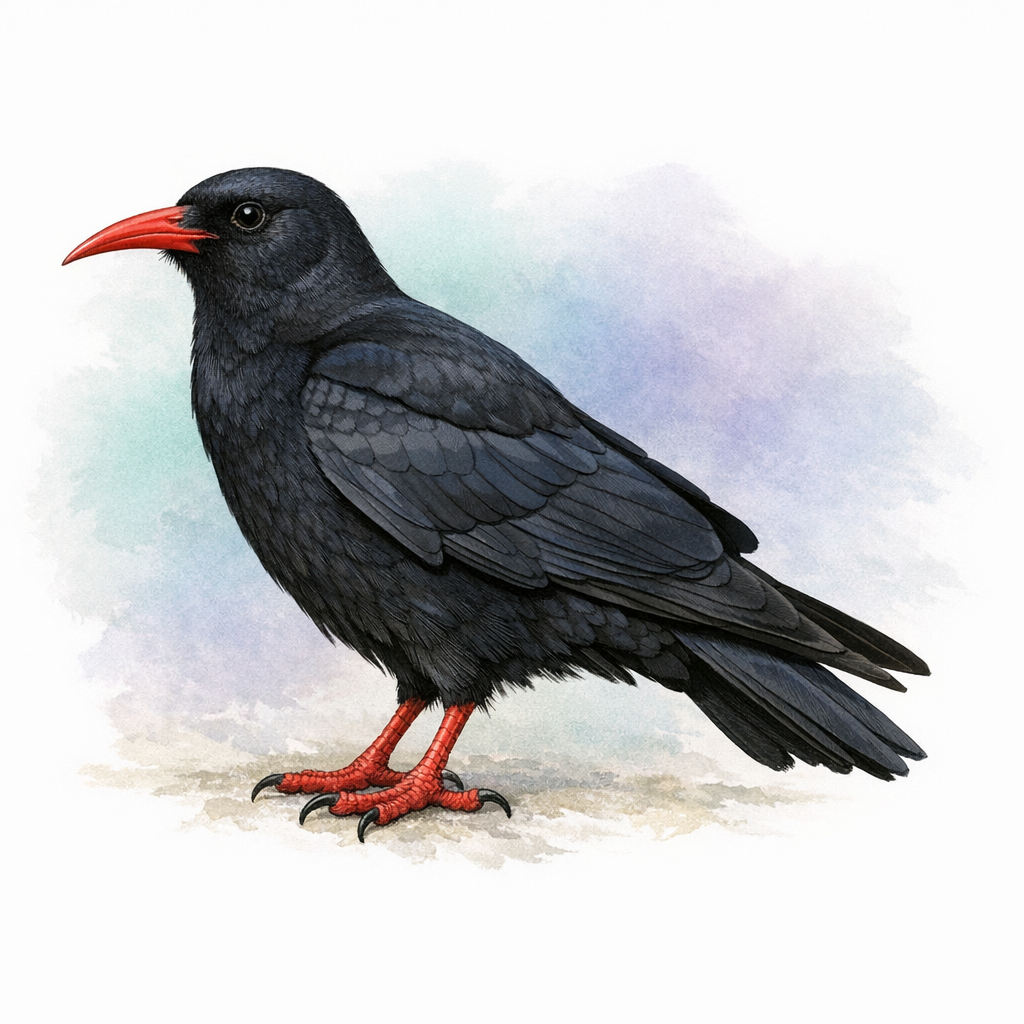
Pyrrhocorax pyrrhocorax — Red-billed Chough
The Chough is the Isle of Man's national bird, proudly displayed on the island's coat of arms. The IoM is one of the UK's last strongholds for this charismatic corvid, which favours cliff-top grassland for foraging on invertebrates. With glossy black plumage and a curved red bill, Choughs are unmistakable on the Manx coastline.
| # | Common Name | Scientific Name | Records | % Share | Links |
|---|---|---|---|---|---|
| 1 | 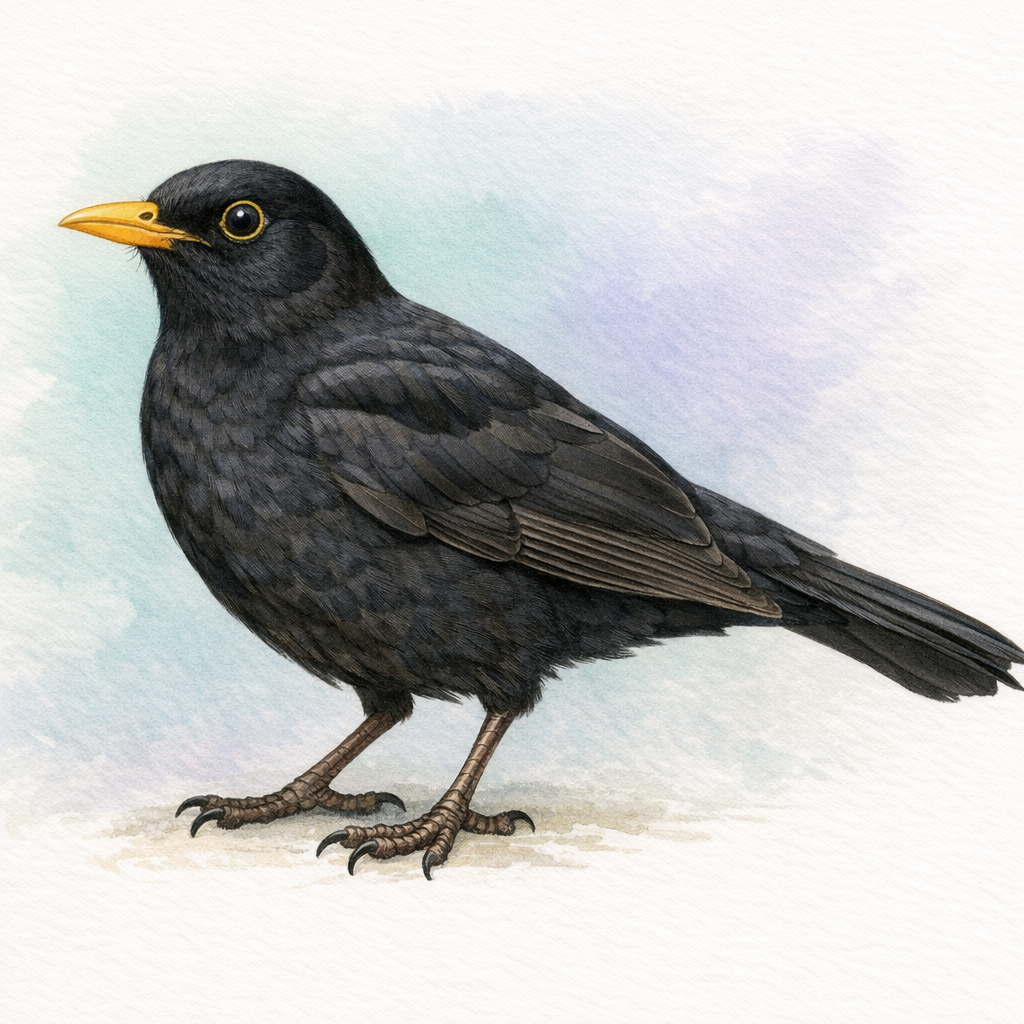 Blackbird | Turdus merula | 26,845 | 7.0% | |
| 2 | 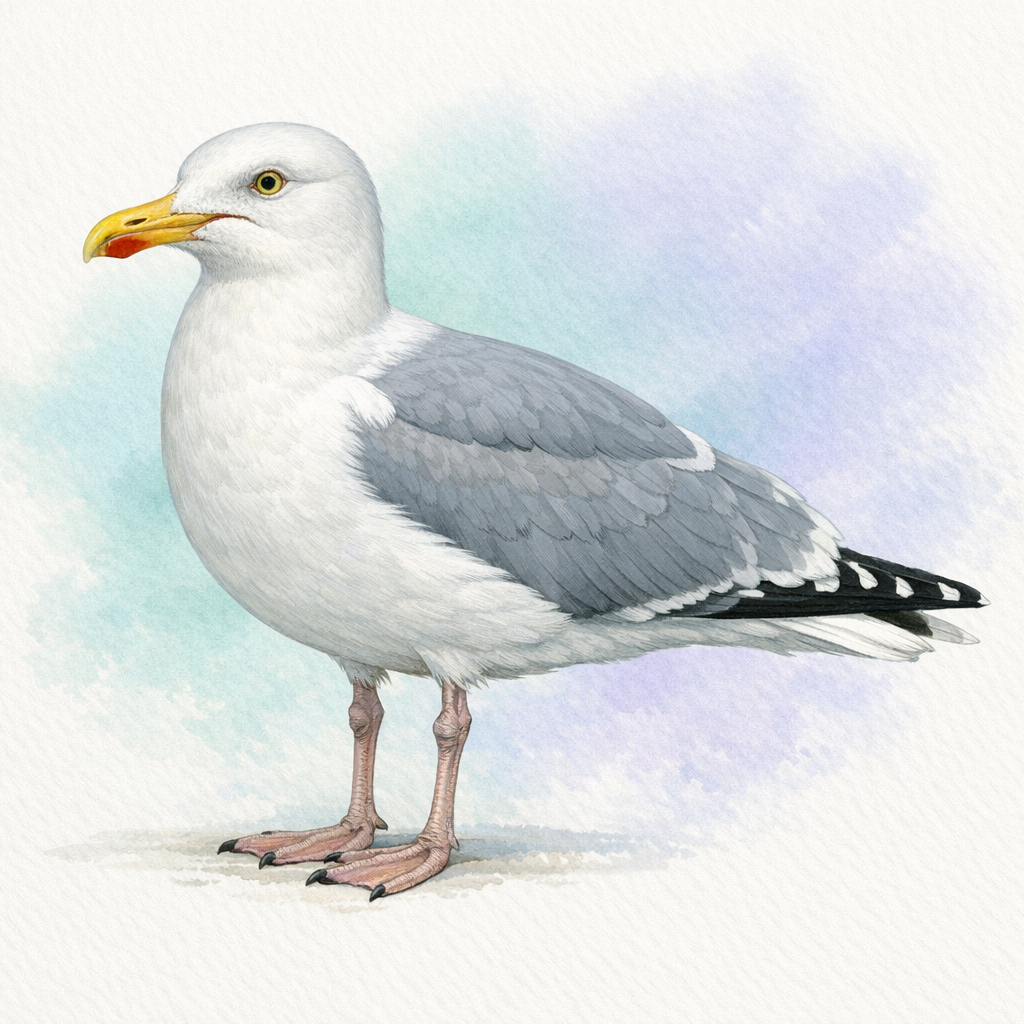 Herring Gull | Larus argentatus | 24,492 | 6.3% | |
| 3 | 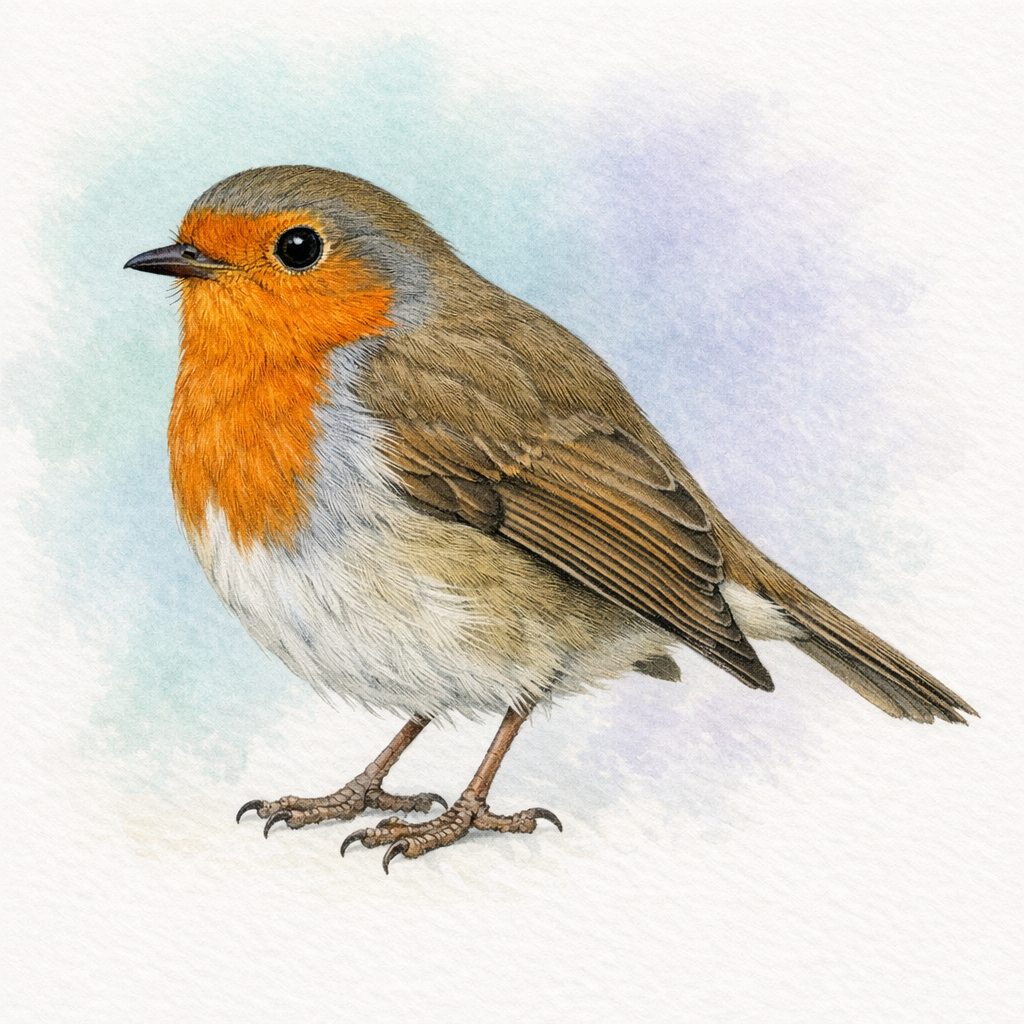 Robin | Erithacus rubecula | 23,812 | 6.2% | |
| 4 | 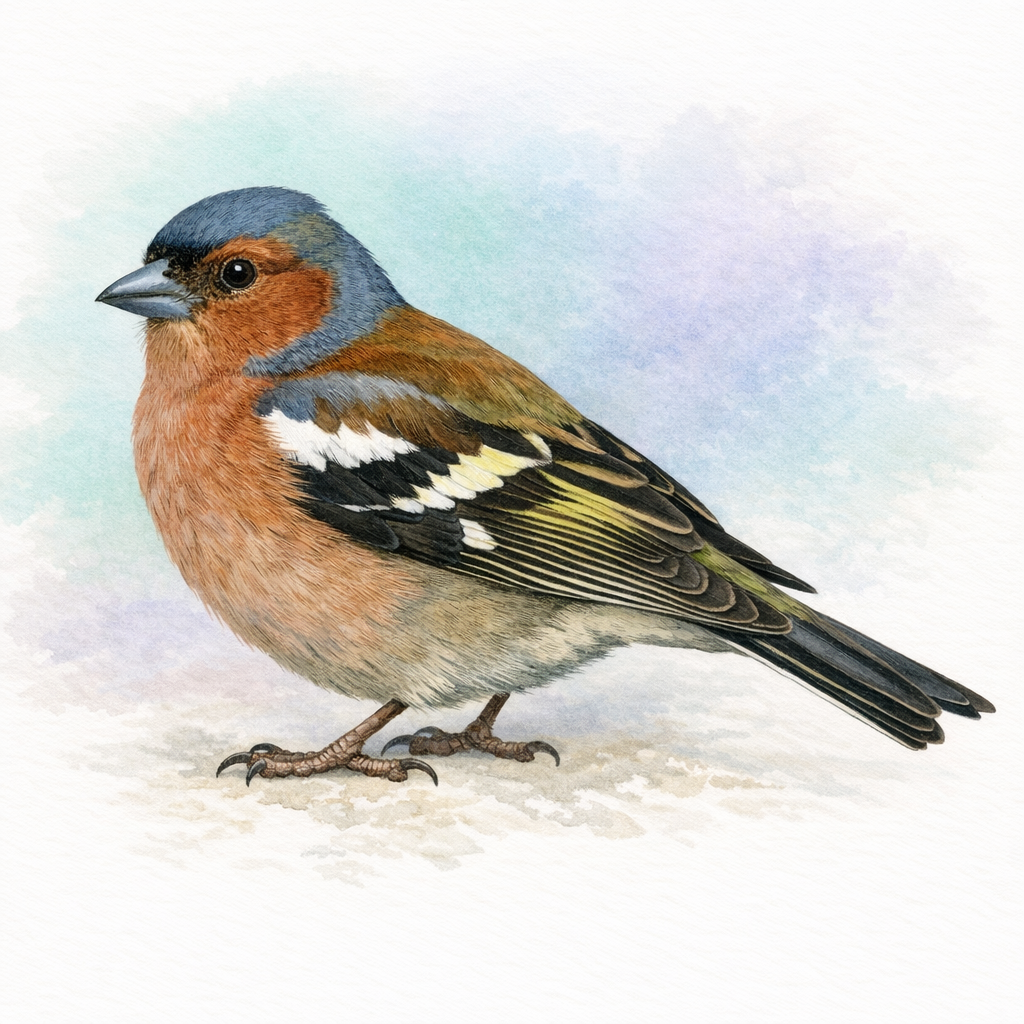 Chaffinch | Fringilla coelebs | 22,517 | 5.8% | |
| 5 | 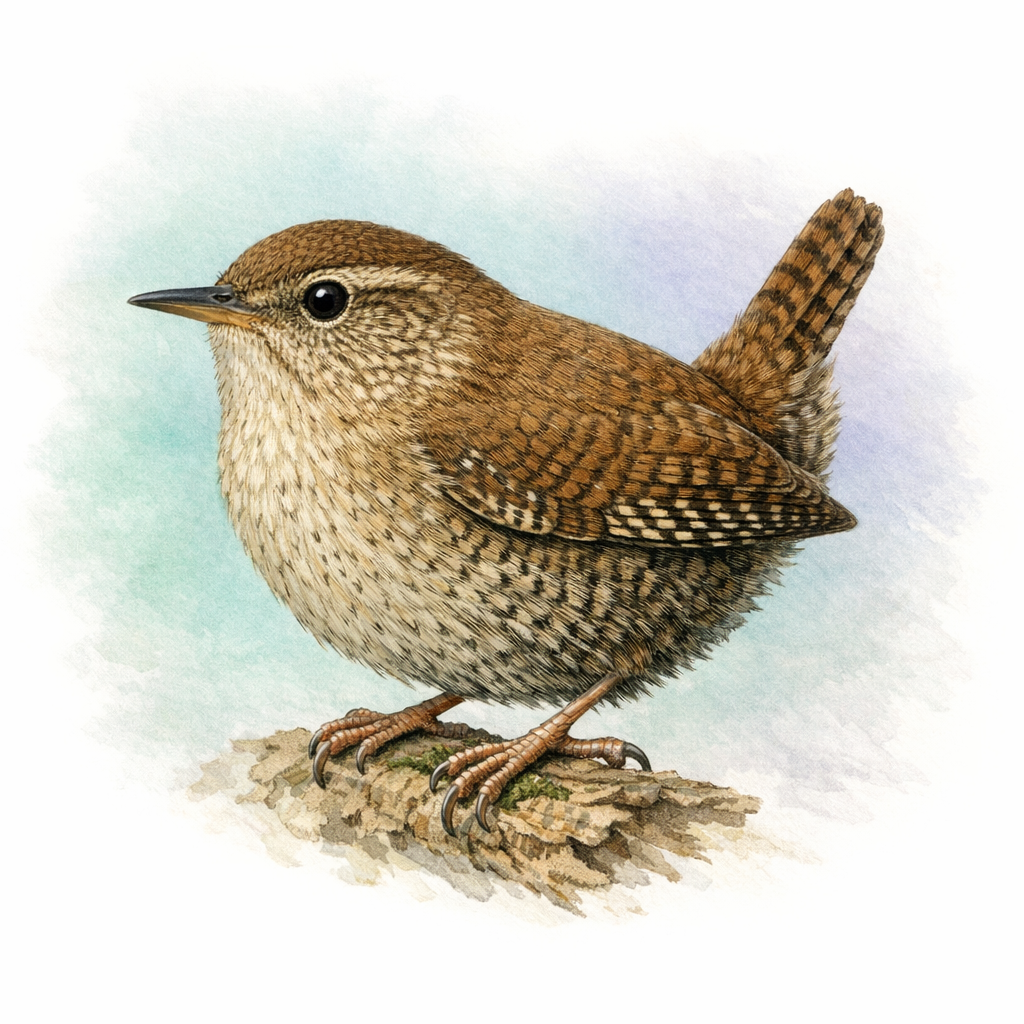 Wren | Troglodytes troglodytes | 22,505 | 5.8% | |
| 6 | 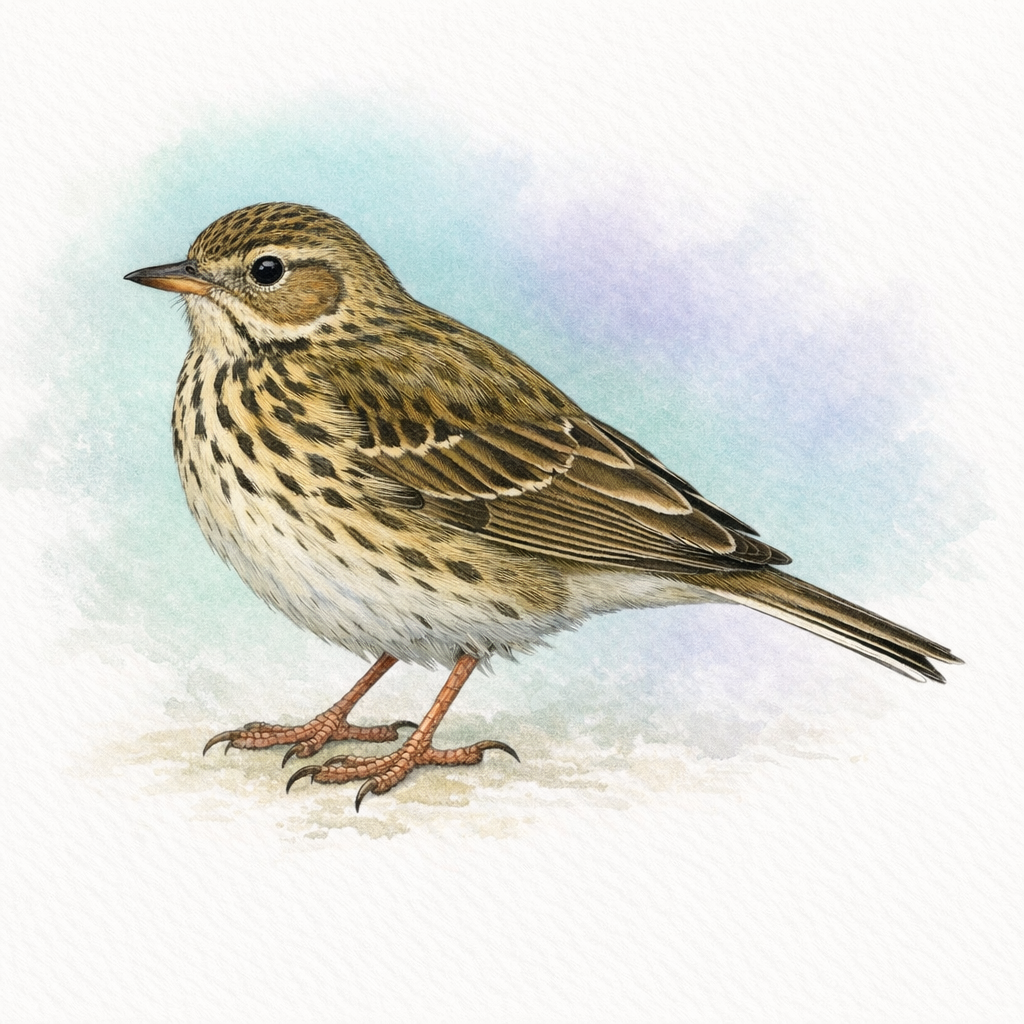 Meadow Pipit | Anthus pratensis | 18,972 | 4.9% | |
| 7 | 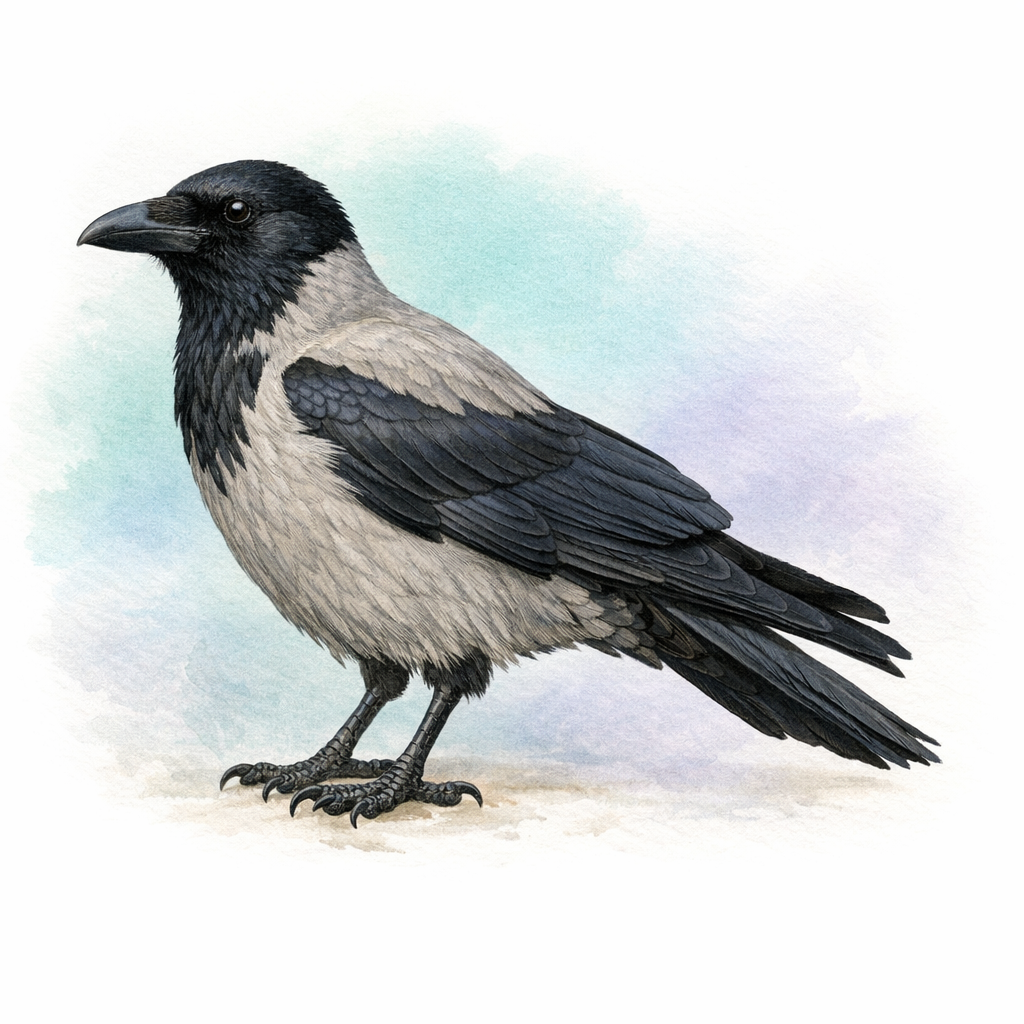 Hooded Crow | Corvus cornix | 18,434 | 4.8% | |
| 8 | 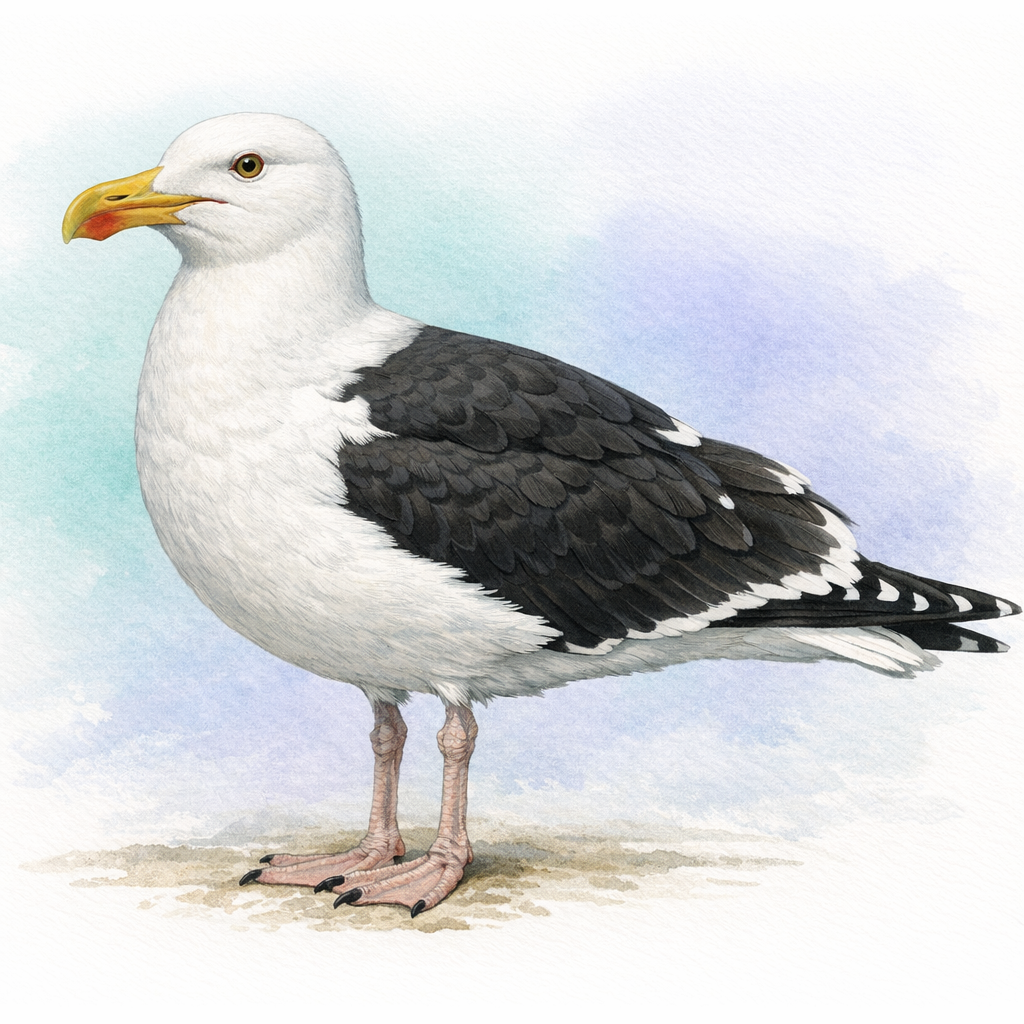 Great Black-backed Gull | Larus marinus | 18,373 | 4.8% | |
| 9 | 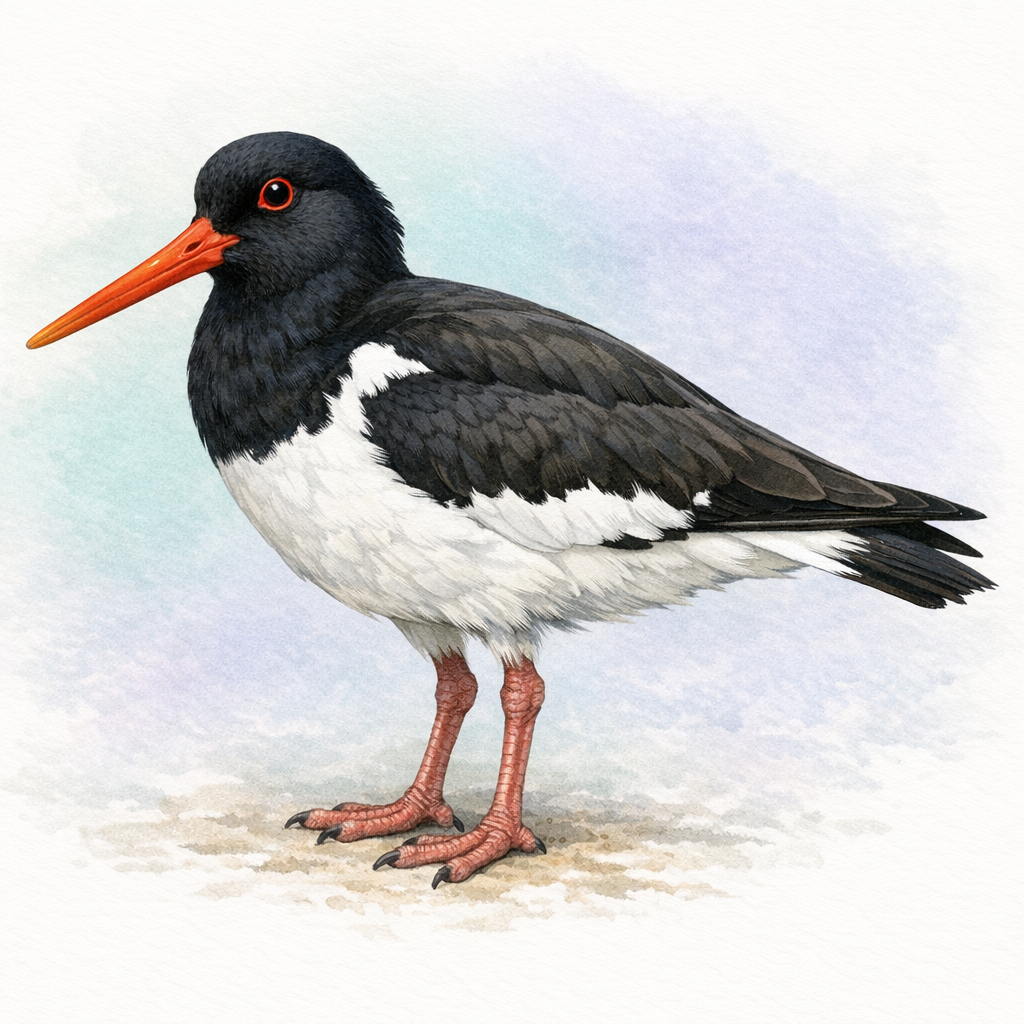 Oystercatcher | Haematopus ostralegus | 18,187 | 4.7% | |
| 10 | ChoughNational Bird | Pyrrhocorax pyrrhocorax | 18,165 | 4.7% | |
| 11 | Dunnock | Prunella modularis | 17,689 | 4.6% | |
| 12 | 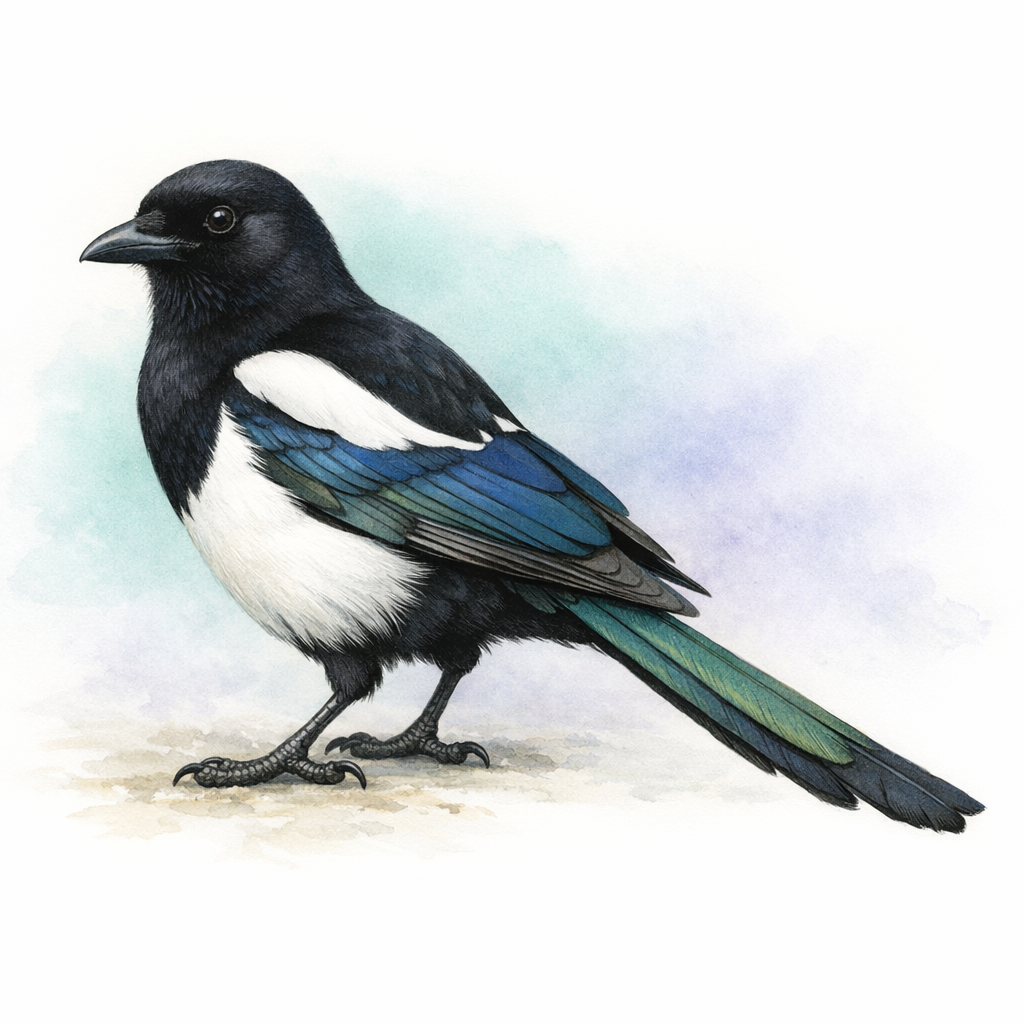 Magpie | Pica pica | 17,447 | 4.5% | |
| 13 | 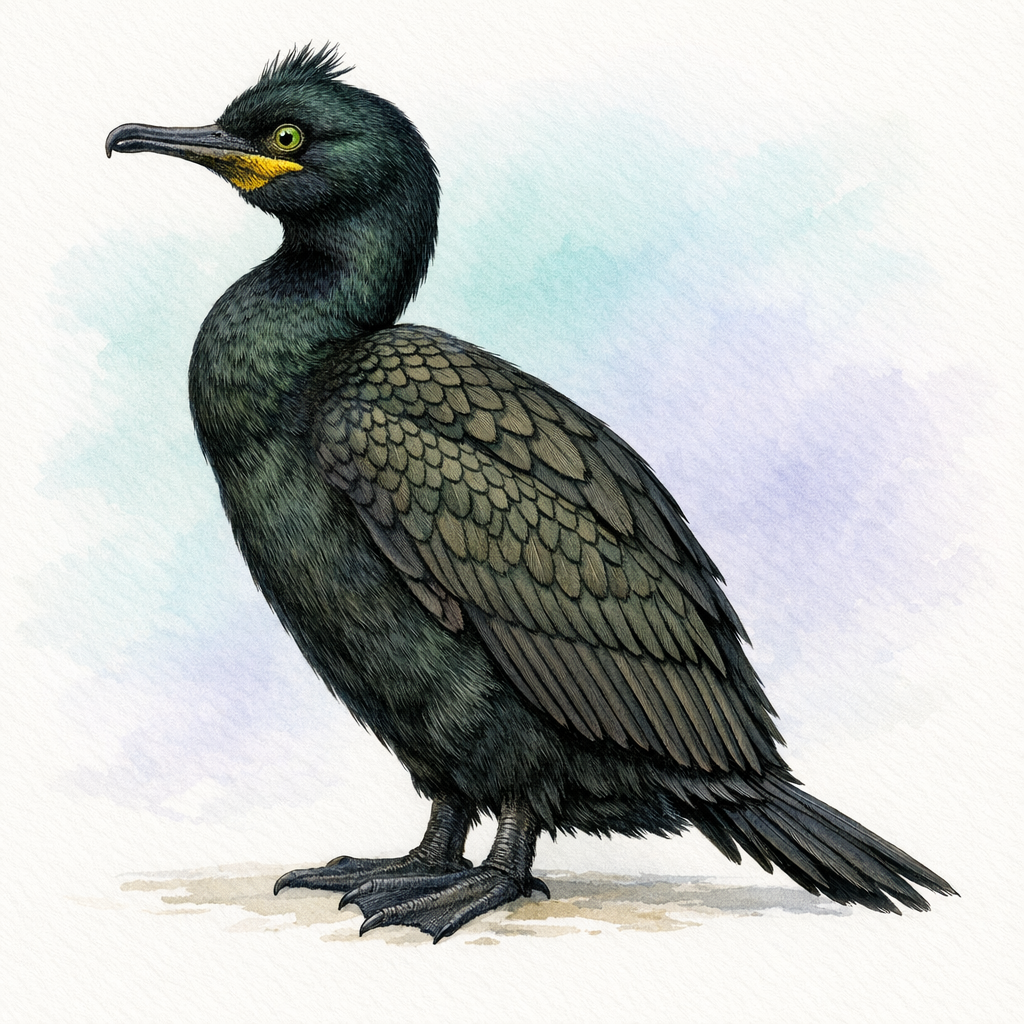 Shag | Gulosus aristotelis | 17,370 | 4.5% | |
| 14 | 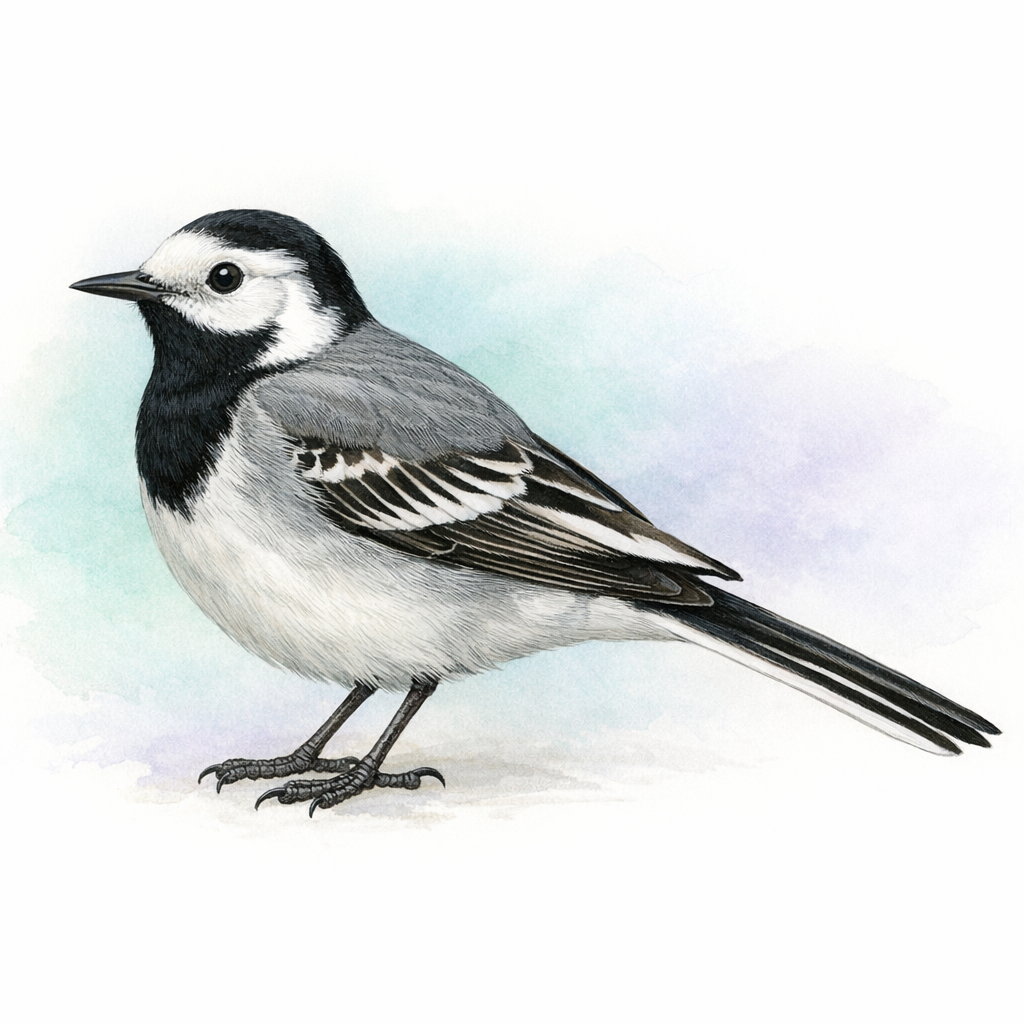 Pied Wagtail | Motacilla alba | 16,689 | 4.3% | |
| 15 | 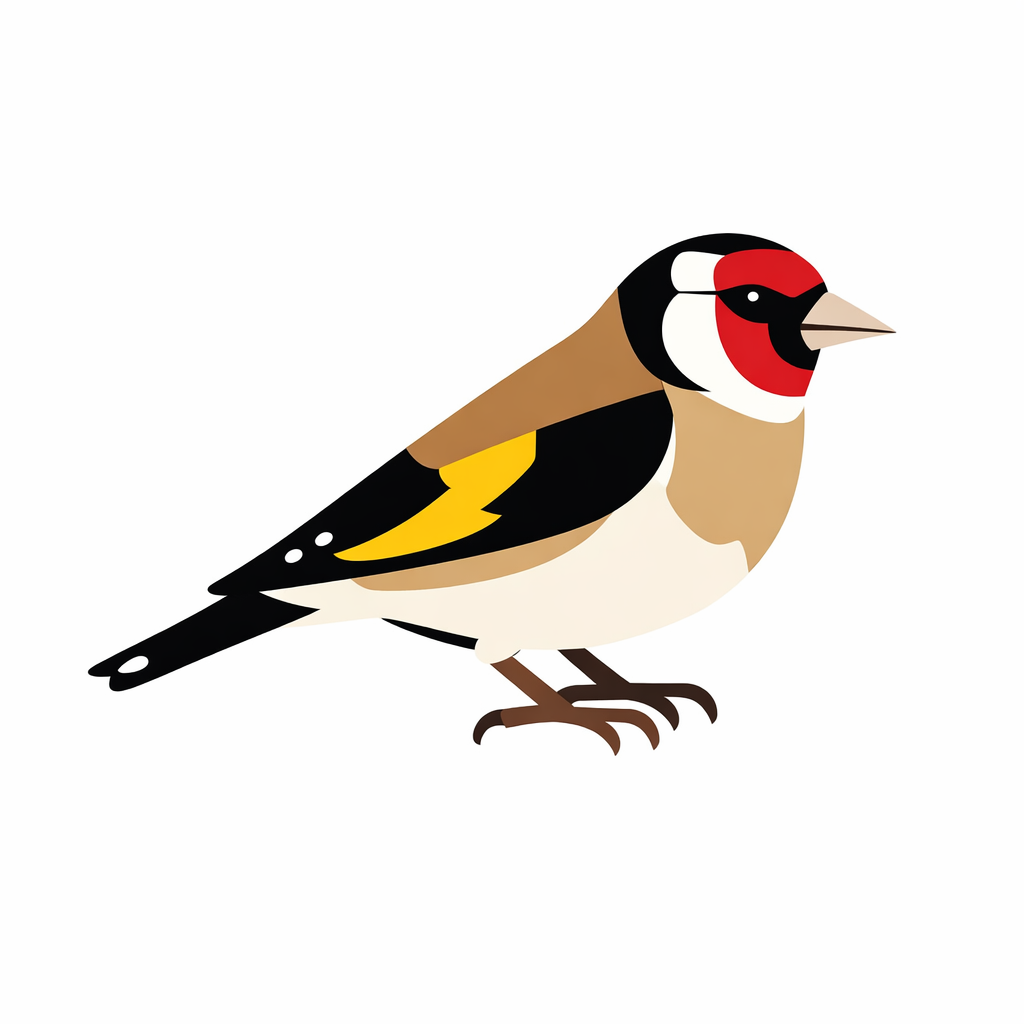 Goldfinch | Carduelis carduelis | 15,565 | 4.0% | |
| 16 | 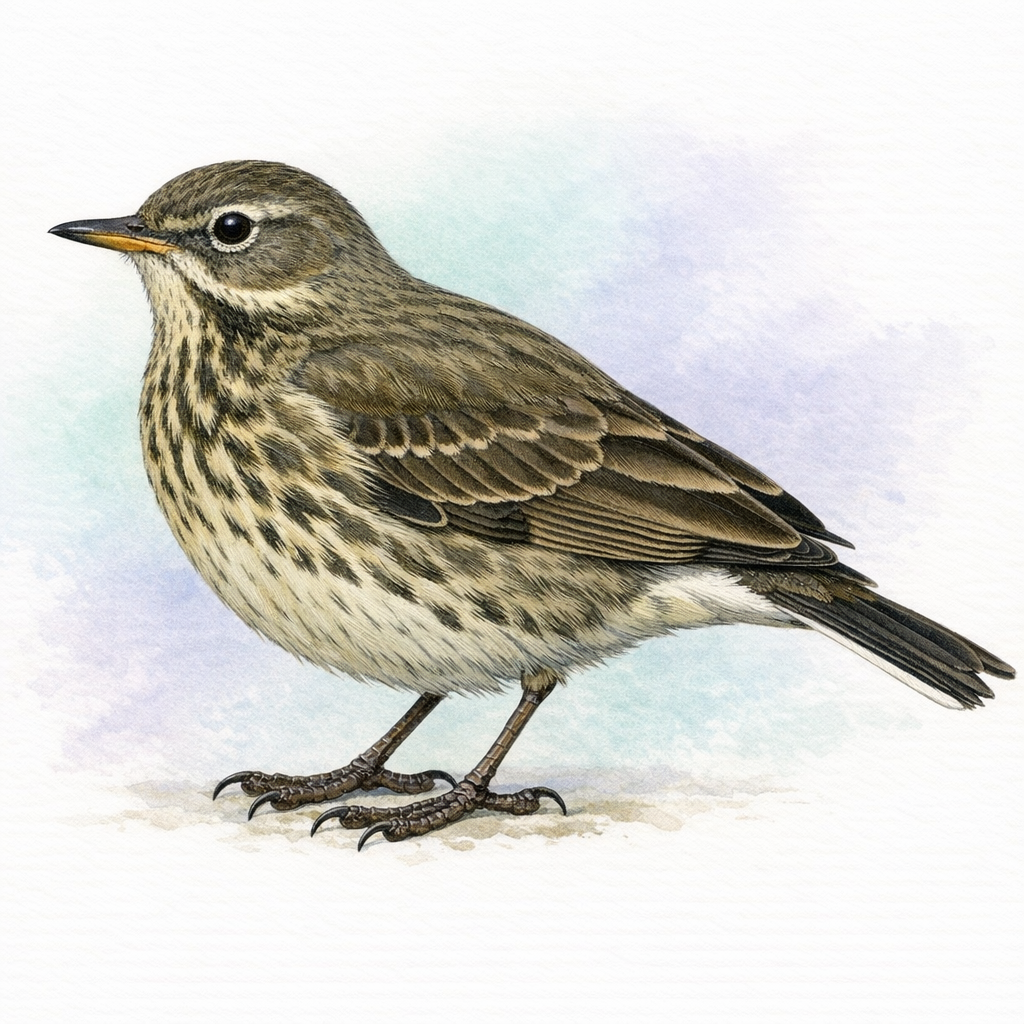 Rock Pipit | Anthus petrosus | 15,436 | 4.0% | |
| 17 | 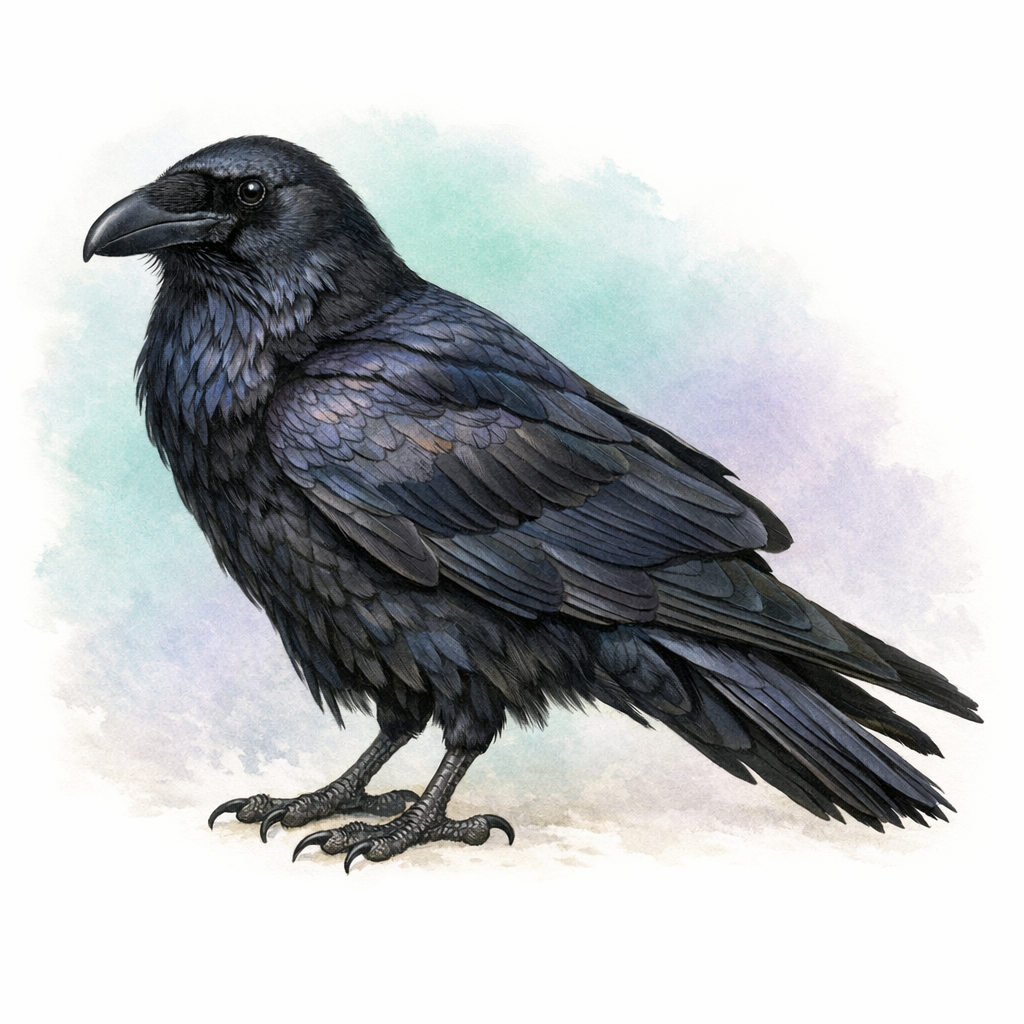 Raven | Corvus corax | 15,359 | 4.0% | |
| 18 | 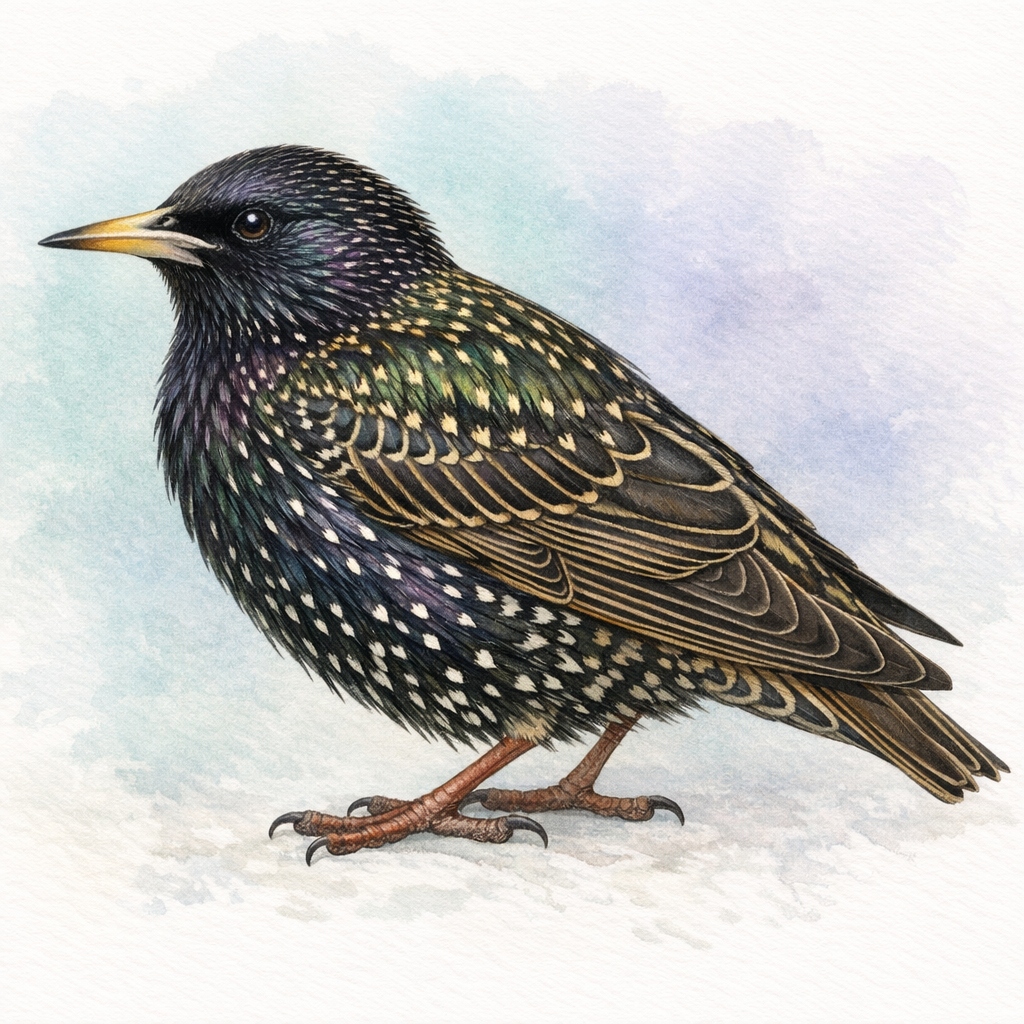 Starling | Sturnus vulgaris | 15,279 | 4.0% | |
| 19 | 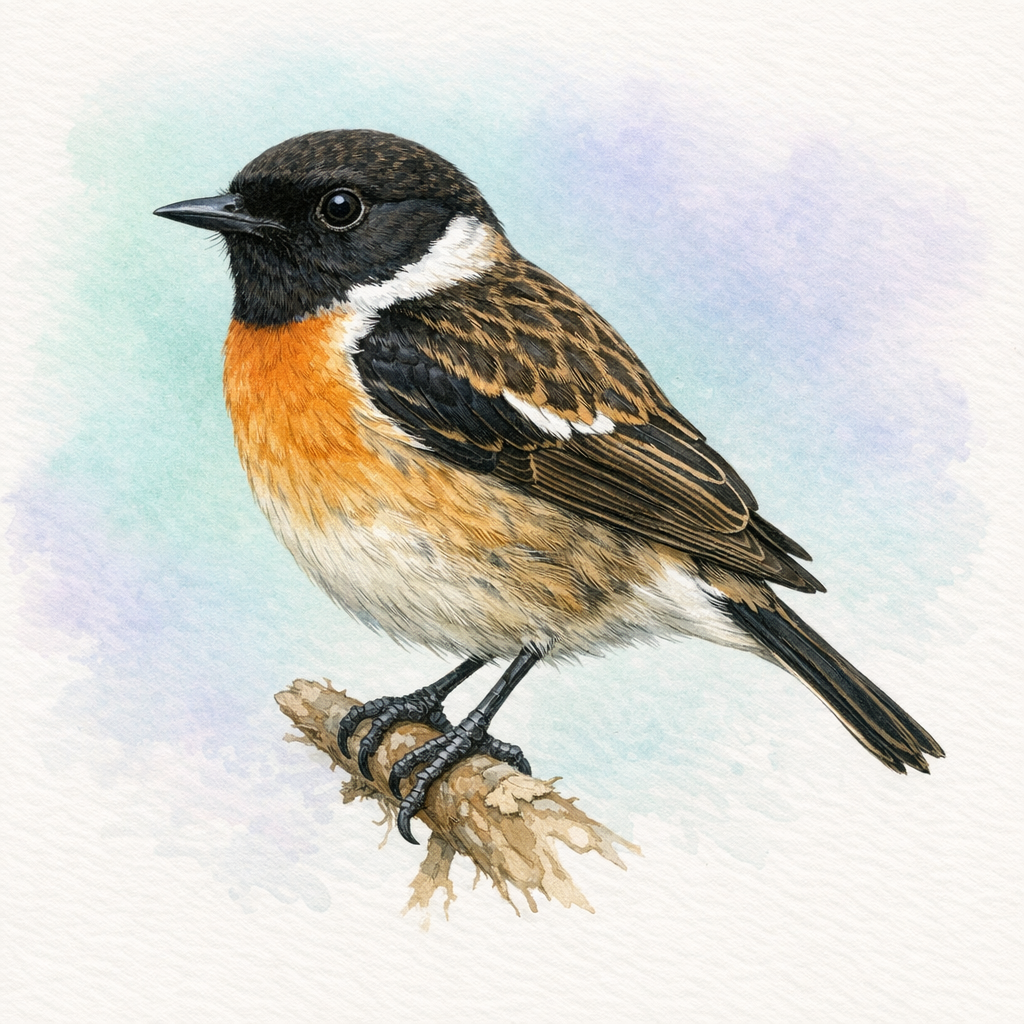 Stonechat | Saxicola rubicola | 15,235 | 3.9% | |
| 20 | 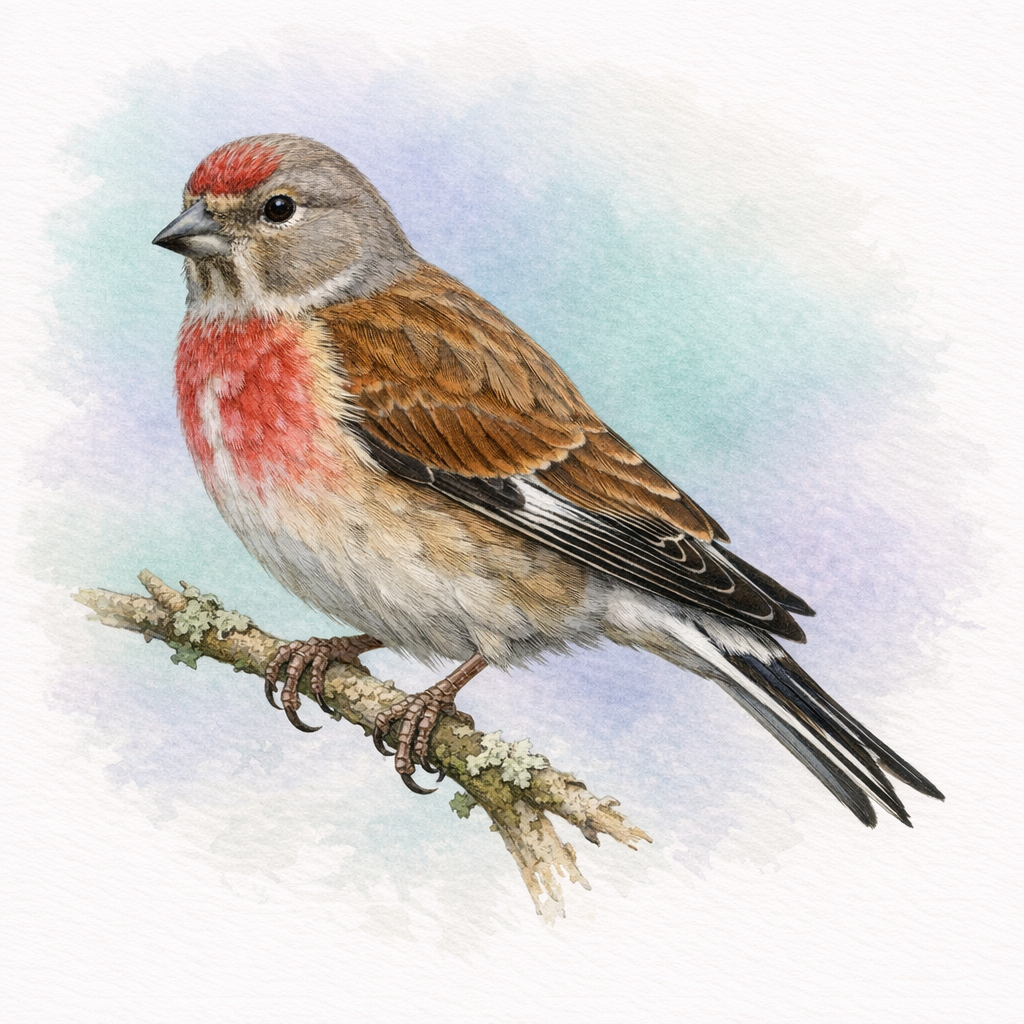 Linnet | Linaria cannabina | 15,092 | 3.9% |
Estimated monthly distribution based on typical UK bird recording effort
The Calf of Man Bird Observatory operated from 1959 to 2004, a collaboration between Manx National Heritage and the Manx Wildlife Trust, producing daily logs of migrant and breeding birds on the small island off the southern tip of the Isle of Man. It is one of the longest-running bird observatories in the British Isles.
The observatory contributed 438,338 records to the island's biodiversity dataset — the single largest dataset in the NBN Atlas for the Isle of Man. Daily logs captured migration patterns, ringing recoveries, and breeding season data.
The Calf of Man remains a Manx National Heritage site and is home to breeding seabirds including Manx Shearwaters, Puffins, Razorbills, and Guillemots. MNH continues to manage the island and further avian data is being added to the NBN Atlas.
Data available via NBN Atlas Isle of Man
The Isle of Man has no resident woodpecker population. Like Ireland, the island's post-glacial isolation and limited woodland extent meant woodpeckers never established breeding colonies. Great Spotted Woodpeckers are occasionally recorded as rare vagrants and appear in the GBIF species database, but they do not breed on the island.
The Isle of Man is a UK stronghold for the Hen Harrier (Circus cyaneus). While persecuted to near-extinction on the English mainland by illegal killing on grouse moors, the IoM's upland heather moorland supports a healthy breeding population — a species of global conservation concern.
Falco peregrinus — the world's fastest animal — breeds on the Isle of Man's dramatic sea cliffs. Reaching speeds over 240 mph in a hunting stoop, Peregrines are regularly seen along the coastal cliffs from Maughold Head to the Calf of Man. The island's sea cliffs provide ideal nest sites away from human disturbance.
Puffinus puffinus — the Manx Shearwater was first scientifically described from the Calf of Man, giving the species its common name. These ocean-going seabirds breed in burrows on the Calf, returning to their nests only after dark to avoid predatory gulls. They migrate to South American waters in winter — a round trip of over 20,000 km.
Species data: NBN Atlas IoM · GBIF · Manx National Heritage · Manx Wildlife Trust · Manx BirdLife · Calf of Man Bird Observatory (MNH & MWT, 1959-2004) · BTO/JNCC/RSPB Partnership
CC-BY-NC 4.0 · CC-BY 4.0 · CC0 1.0 · OGL